Treading Lightly: The Hiker's Guide to Eco-Friendly Trail Practices
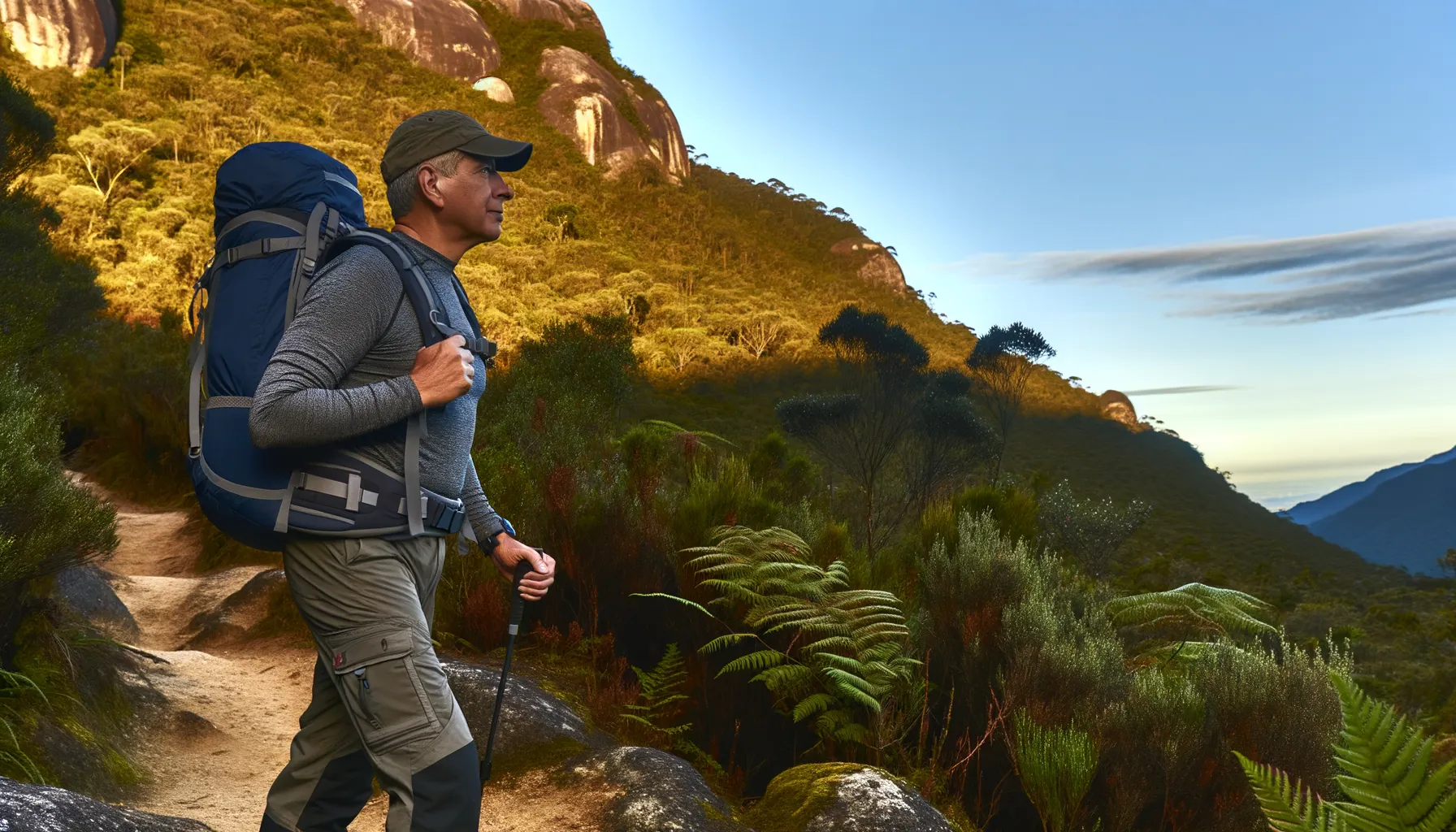
Leave No Trace Sounds Simple. It’s Not.
Everyone knows the phrase “leave no trace.” Most hikers think they follow it. A lot of them don’t — not because they’re bad people, but because the details are easy to miss.
I used to think Leave No Trace just meant “don’t litter.” Pack out your trash, don’t carve your name into trees, don’t leave campfire rings everywhere. And yeah, that’s part of it. But after a few years of backcountry hiking in the Canadian Rockies, I’ve realized it goes a lot deeper than that. Some of the stuff I was doing on my early trips — things I thought were fine — turned out to be exactly what you’re not supposed to do.
So here’s what I’ve learned, mostly through making mistakes and then feeling bad about them.
The Basics (That People Still Get Wrong)
Pack Out Everything. Everything.
This means food scraps too. Apple cores, banana peels, orange rinds — people toss these thinking “it’s biodegradable, it’ll decompose.” And it will. In about two years. Meanwhile, it attracts animals to the trail, changes their feeding behaviour, and looks gross.
On a trip in Kananaskis, I found a pile of orange peels at a backcountry campsite. Someone clearly thought they were doing nature a favour. They weren’t. I packed them out with my own trash.
Same goes for toilet paper. If you’re going in the backcountry, you’re either packing out your TP in a ziplock bag (not as bad as it sounds, honestly) or using natural alternatives. Burying it doesn’t work as well as people think — animals dig it up, rain washes it out.
Stay on the Trail
This one seems obvious, but it matters more than you’d think. When a trail gets muddy, the natural instinct is to walk around the mud. The problem is that everyone does this, and the trail gets wider and wider. Before long, you’ve got a 10-foot-wide mud highway where there used to be a narrow path through the forest.
Walk through the mud. Your boots will dry. The trail won’t fix itself.
Same principle applies to switchbacks. Cutting switchbacks causes erosion and damages vegetation. It might save you 30 seconds. It’s not worth it.
Campsite Selection
In popular backcountry areas like Jasper or Banff, you’re usually camping at designated sites. That makes this easy — camp where you’re told to camp. But in less regulated areas, the rules are:
- Camp on durable surfaces — rock, gravel, dry grass, snow. Not on fragile vegetation.
- Camp at least 70 metres from water — this protects water sources and riparian areas.
- Use existing sites when possible — if there’s already a worn spot, use it rather than creating a new one.
Campfires: The Complicated One
I love a campfire. Sitting around one after a long day on the trail is one of the best parts of backcountry camping. But fires are also one of the biggest sources of environmental impact in the backcountry.
Here’s my current approach:
- Check fire regulations first. Many areas have seasonal or permanent fire bans. Respect them. Always.
- Use existing fire rings. Don’t build new ones.
- Keep fires small. You don’t need a bonfire. A small fire with wrist-thick sticks is plenty for warmth and ambiance.
- Burn everything to ash. Don’t leave half-burned logs.
- Consider skipping the fire. On shorter trips, I’ve started just using my stove for cooking and skipping the fire entirely. It’s less impact, less hassle, and honestly I don’t miss it as much as I thought I would.
On our Maligne Lake canoe trip last summer, we had fires at camp most nights. But we kept them small, used existing rings, and made sure they were dead out before bed. It’s about being intentional, not about being a purist.
Water Sources
This is one I didn’t think about much early on. A few things I’ve learned:
- Don’t wash dishes or yourself in streams or lakes. Even biodegradable soap is harmful to aquatic ecosystems. Carry water at least 70 metres from the source before washing anything.
- Don’t use sunscreen or bug spray and then jump in a lake. Those chemicals contaminate the water. Rinse off first if you can.
- Filter your water, but don’t contaminate the source. Don’t dip dirty containers into streams. Scoop water with a clean container.
Wildlife
The Canadian Rockies are full of wildlife — bears, elk, mountain goats, marmots, pikas. Seeing them is one of the highlights of any trip. But interacting with them — even unintentionally — can cause real harm.
Food storage is the big one. In most backcountry areas in the Rockies, you’re required to use bear lockers or hang your food. This isn’t optional. A bear that learns to associate humans with food is a bear that eventually gets put down. Every time you’re lazy about food storage, you’re contributing to that outcome.
Keep your distance. Parks Canada recommends 100 metres from bears and wolves, 30 metres from elk and other large animals. Use a telephoto lens, not your legs, to get a closer look.
Don’t feed anything. Not even the cute ground squirrels at the trailhead. Once they associate humans with food, they become aggressive and dependent. I’ve seen ground squirrels at popular trailheads that will literally climb into your pack looking for food. That’s not natural behaviour — that’s the result of people feeding them.
The Gear Side
A few things I’ve changed about my gear over the years to reduce my impact:
- Switched to a stove for most cooking instead of relying on campfires.
- Use a Sawyer filter instead of buying bottled water or iodine tablets (less waste).
- Repair gear instead of replacing it. A patch on a jacket or a re-glued boot sole extends the life of your gear significantly. Patagonia’s Worn Wear program is great for this.
- Buy used when possible. Facebook Marketplace and local gear swaps are goldmines for backcountry equipment.
The Honest Version
I’m not perfect at this. I’ve cut a switchback when I was tired. I’ve washed a pot too close to a stream. I’ve probably camped on vegetation I shouldn’t have. The point isn’t to be flawless — it’s to be aware and keep getting better.
The backcountry in western Canada is some of the most beautiful landscape on the planet. It stays that way because most people who use it take care of it. Every small decision — where you step, what you pack out, how you store your food — adds up. The trail you leave behind should be invisible.