The Beginner's Guide to Camping
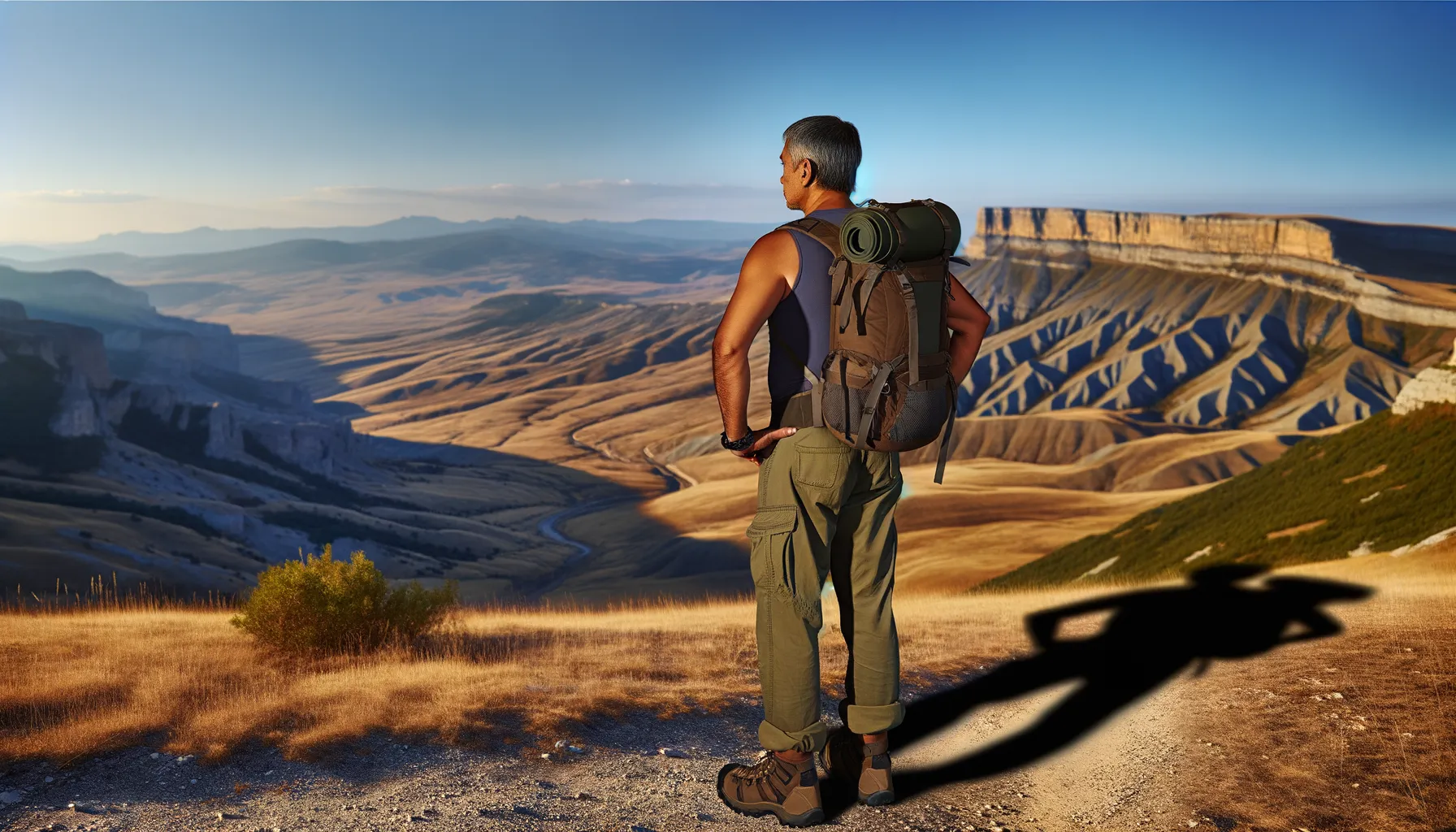
Your First Night Outside
My first camping trip was in Kananaskis, Alberta. I borrowed a tent from a friend, brought way too much food, forgot a pillow, and slept terribly. I also woke up to frost on the tent, mountains in every direction, and a silence so complete it felt like the world had stopped. I was hooked immediately.
Camping has a reputation for being either rugged and intimidating or Instagram-perfect with fairy lights and matching blankets. The reality is somewhere in between. It’s sleeping outside. Sometimes it’s uncomfortable. It’s almost always worth it.
If you’ve never camped before, this guide covers what you actually need to know — no fluff, no gear lists that cost a mortgage payment.
Types of Camping
Before you plan anything, it helps to know what kind of camping you’re signing up for.
Car Camping (Frontcountry)
This is where most people start, and it’s the easiest entry point. You drive to a campground, park next to your campsite, and set up. There’s usually a fire pit, a picnic table, and access to outhouses or washrooms. Some campgrounds have showers.
Because your car is right there, weight doesn’t matter. Bring the big cooler, the comfy chair, the cast iron pan. This is camping with a safety net — if you forget something, the car is ten steps away.
Backcountry Camping
This is camping in the wilderness, away from roads and facilities. You hike, paddle, or ski to your campsite carrying everything you need. It’s more demanding but more rewarding — fewer people, more solitude, deeper connection with the landscape.
I’d recommend getting a few car camping trips under your belt before attempting backcountry. The skills transfer, but the stakes are higher when you’re kilometres from your car.
Dispersed Camping
Dispersed camping means setting up camp on public land outside of designated campgrounds. In Canada, this is common on Crown Land. In the US, it’s allowed on most BLM land and National Forest land. It’s usually free, with no reservations needed.
The trade-off: no facilities, no fire pits, no picnic tables. You’re fully self-sufficient. Great for solitude seekers, but not ideal for a first-ever camping trip.
Choosing a Campsite
For your first trip, book a spot at an established campground. Here’s what to look for:
- Reservable sites — Popular campgrounds fill up months in advance, especially in summer. Book early. In Alberta, I’ve had to set calendar reminders for when reservations open just to get a weekend spot.
- Drive-in access — Make sure you can park at or near your site.
- Facilities — Outhouses at minimum. Flush toilets and showers are a bonus for a first trip.
- Proximity — Pick somewhere within a couple hours’ drive. You don’t want a five-hour road trip adding stress to your first camping experience.
- Reviews — Check Google reviews or camping apps for recent feedback on noise, site spacing, and condition.
Provincial and national park campgrounds are usually well-maintained and a safe bet. Private campgrounds vary wildly — some are great, some are basically parking lots with grass.
Gear You Actually Need
The gear rabbit hole is deep. Don’t fall in. For car camping, you need less than you think.
The Essentials
- Tent — Borrow one if you can. If buying, a basic 3-season tent for 2-3 people runs $100-200 and will last years. Set it up in your backyard first so you’re not fumbling with poles in the dark.
- Sleeping bag — Check the temperature rating. If overnight lows will be 5°C, get a bag rated to 0°C or lower. You can always unzip if you’re warm. You can’t add warmth that isn’t there.
- Sleeping pad — This matters more than people realize. It insulates you from the cold ground and adds comfort. A basic foam pad works. An inflatable pad is more comfortable but costs more.
- Headlamp — Not a flashlight. You need your hands free. Bring extra batteries.
- Camp chair — Optional but highly recommended. Sitting on the ground gets old fast.
Kitchen Basics
- Cooler with ice — For food and drinks. Freeze water bottles as ice packs.
- Camp stove — A simple two-burner propane stove is perfect. Don’t rely solely on campfire cooking for your first trip.
- Pot, pan, utensils — Use what you have at home. No need for dedicated camp cookware yet.
- Water bottles — If the campground has potable water, you just need containers. If not, bring enough water or a filter.
- Garbage bags — Pack out all your trash. Leave the site cleaner than you found it.
What to Wear
Same rule as hiking: no cotton. Synthetic or merino wool layers that wick moisture and dry fast. Evenings get cold even in summer, especially at elevation. Bring:
- Warm mid-layer (fleece or puffy jacket)
- Rain jacket
- Warm hat for sleeping
- Extra socks
Setting Up Camp
A few things that’ll make your first night smoother:
- Arrive with daylight. Setting up a tent in the dark is miserable. Aim to arrive by mid-afternoon.
- Pick a flat spot for your tent. Clear rocks and sticks. A slight slope is fine — sleep with your head uphill.
- Orient your tent door away from the wind if possible.
- Set up your kitchen area away from your tent. If you’re in bear country, this is critical — cook and store food at least 50 metres from where you sleep.
- Know the fire rules. Many areas have fire bans during dry seasons. Check before you go. If fires are allowed, keep them small and in the designated fire pit.
Food
Keep it simple for your first trip. Complex camp cooking is fun once you know what you’re doing, but for trip one, go easy on yourself.
Dinner ideas: Pre-made foil packets (meat, veggies, seasoning — throw on the fire or stove), pasta with jarred sauce, hot dogs, pre-marinated chicken.
Breakfast: Oatmeal, eggs and bacon on the stove, bagels with cream cheese, instant coffee or a pour-over.
Snacks: Trail mix, fruit, cheese and crackers, granola bars.
Pro tip: Prep and chop everything at home. Bag it, label it, and toss it in the cooler. Doing food prep at a campsite with a tiny cutting board and no counter space is annoying.
Campfire Basics
If fires are permitted and you want one:
- Use the existing fire pit. Don’t build a new one.
- Start with small kindling and build up. Firestarters or dryer lint help.
- Keep it manageable. A bonfire isn’t necessary — a small fire provides plenty of warmth and ambiance.
- Never leave it unattended.
- Fully extinguish before sleeping. Drown it, stir the ashes, drown it again. If it’s too hot to touch, it’s too hot to leave.
Bear Country
If you’re camping anywhere in western Canada or parts of the US, you’re in bear country. This isn’t something to be scared of — it’s something to be prepared for.
- Store all food, coolers, and scented items (toothpaste, sunscreen, garbage) in your car or a bear locker. Never in your tent.
- Cook and eat away from your sleeping area.
- Clean up thoroughly after meals.
- Make noise on trails so you don’t surprise wildlife.
In the backcountry, you’ll need a bear canister or hang bag. For car camping at established campgrounds, your car trunk is usually sufficient.
The Honest Truth
Your first camping trip probably won’t be perfect. You’ll forget something. You might sleep poorly. The weather might not cooperate. That’s normal.
But you’ll also sit by a fire as the stars come out, hear sounds you never hear in the city, and wake up somewhere beautiful. And you’ll start planning the next trip before you’ve even packed up.
Start simple. Car camping at a provincial or national park campground. One or two nights. Don’t overthink the gear. The point isn’t to be comfortable — it’s to be outside.