The Art of Solo Hiking: Finding Peace in Wilderness Solitude
Why I Started Hiking Alone
Most of my backcountry trips have been with friends. The West Coast Trail, canoe trips in Jasper, multi-day hikes through the Rockies — all with other people. And those trips were great. But scheduling backcountry trips with a group is like herding cats. Someone’s always busy, someone can’t get the time off, someone’s partner has a thing that weekend.
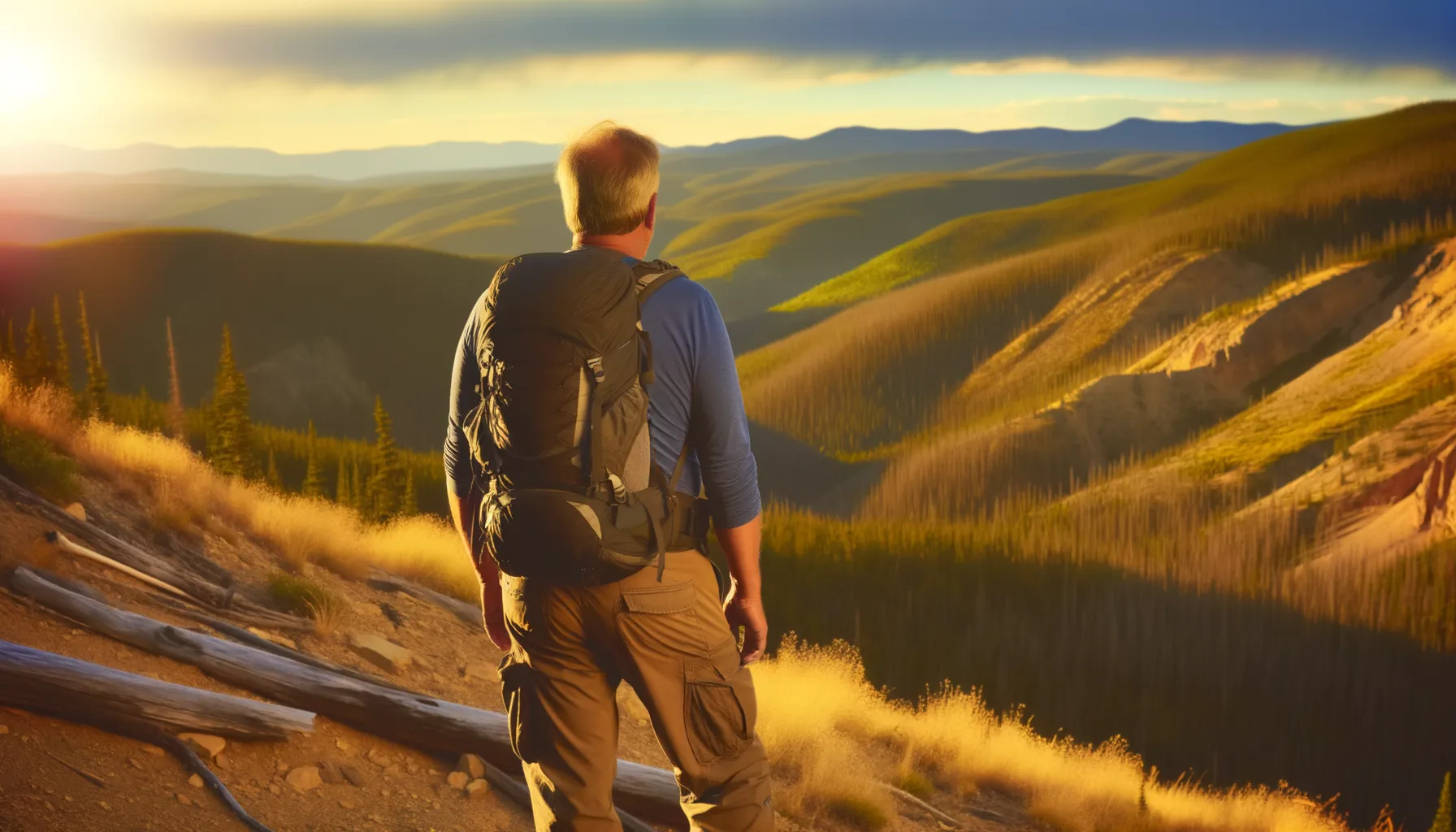
So eventually I just went by myself. A two-night trip on a trail I’d done before in Kananaskis. Nothing crazy. And honestly? It was one of the best hiking experiences I’ve had.
Not because the trail was better or the weather was perfect. It was because everything felt different when I was alone. More vivid. More present. I noticed things I’d walked right past on previous trips — the way the light filtered through the trees in the morning, the sound of the wind changing as I gained elevation, the absolute silence at camp after dark.
What Changes When You’re Alone
You Set Your Own Pace
This sounds obvious, but it’s a bigger deal than you’d think. In a group, you’re always compromising. Someone wants to push further, someone needs a break, someone wants to stop for photos every five minutes. Solo, you just… walk. You stop when you want. You eat when you’re hungry. You take a detour to check out that ridge because nobody’s waiting for you.
On my first solo trip, I spent an hour sitting on a rock by a creek eating lunch. Not because I was tired, but because it was a nice rock and the creek sounded good. In a group, I would’ve eaten in ten minutes and kept moving.
The Quiet Is Real
I don’t mean silence in the “no cars” sense. I mean the absence of human conversation. When you hike with friends, there’s always chatter — which is great, don’t get me wrong. But when you’re alone, you hear the forest. You hear your own breathing. You hear your thoughts, which can be uncomfortable at first but eventually becomes the whole point.
There’s a meditative quality to solo hiking that’s hard to describe. Your mind wanders, then settles, then wanders again. Problems you’ve been chewing on for weeks suddenly seem simpler. Or they don’t — but at least you’ve had the space to actually think about them without interruption.
Fear Shows Up (And That’s Fine)
I won’t pretend I wasn’t nervous on my first solo overnight. Lying in my tent at 10 PM, every sound amplified, running through bear encounter scenarios in my head. That’s normal. The fear doesn’t mean you shouldn’t be there — it means you’re doing something outside your comfort zone, which is kind of the whole point.
By the second night, the fear was mostly gone. By my third solo trip, I was sleeping like a rock. Your brain adapts. It just needs a few reps.
How to Start Solo Hiking (Without Being Reckless)
Pick a Trail You Already Know
Your first solo trip is not the time to explore somewhere new and remote. Pick a trail you’ve done before, ideally one with decent traffic so you’re not completely isolated. You want the experience of being alone without the added stress of unfamiliar terrain.
Keep It Short
One or two nights is plenty for your first time. You can always go longer on the next trip. The goal is to get comfortable with the experience, not to prove anything.
Tell Someone Everything
Route, planned campsites, expected return date and time. Every time. Non-negotiable. I text my plan to a friend before every solo trip and check in when I’m back. If I don’t check in, they know something’s wrong.
Carry a Satellite Communicator
I carry a Garmin inReach on every solo trip. It lets me send check-in messages, share my GPS location, and trigger an SOS if things go really wrong. It’s the single best piece of gear for solo hiking peace of mind.
Be Honest About Your Skill Level
Solo hiking amplifies everything — including the consequences of mistakes. If you’re not confident with navigation, don’t solo hike somewhere with poor trail markers. If you’ve never set up camp alone, practice in your backyard first. There’s no shame in building up gradually.
The Mental Side
People always ask about the practical stuff — gear, safety, bears. But the real challenge of solo hiking is mental. Can you be alone with your own thoughts for two or three days straight? Can you handle the boredom of a rainy afternoon in a tent with no one to talk to? Can you make decisions — where to camp, when to turn back, how to handle a problem — without someone else’s input?
For some people, that sounds like a nightmare. For others, it sounds like exactly what they need. I’m in the second camp. The self-reliance that comes from solo hiking has made me more confident in every other area of my life. Not in a cheesy motivational poster way — just in a quiet, practical way. I’ve handled worse. I can handle this.
It’s Not For Everyone (And That’s Okay)
I want to be clear: solo hiking isn’t inherently better than hiking with friends. Some of my best memories are from group trips — laughing around a campfire on Maligne Lake, the shared suffering of a brutal uphill on the WCT, the satisfaction of finishing a hard trail together.
Solo hiking is just a different experience. It scratches a different itch. If you’re curious about it, try it. Start small, be prepared, and see how it feels. You might hate it. You might love it. Either way, you’ll learn something about yourself, and that’s never a waste of time.