Seasonal Gear Shift: Adapting Your Hiking Equipment for Changing Climates
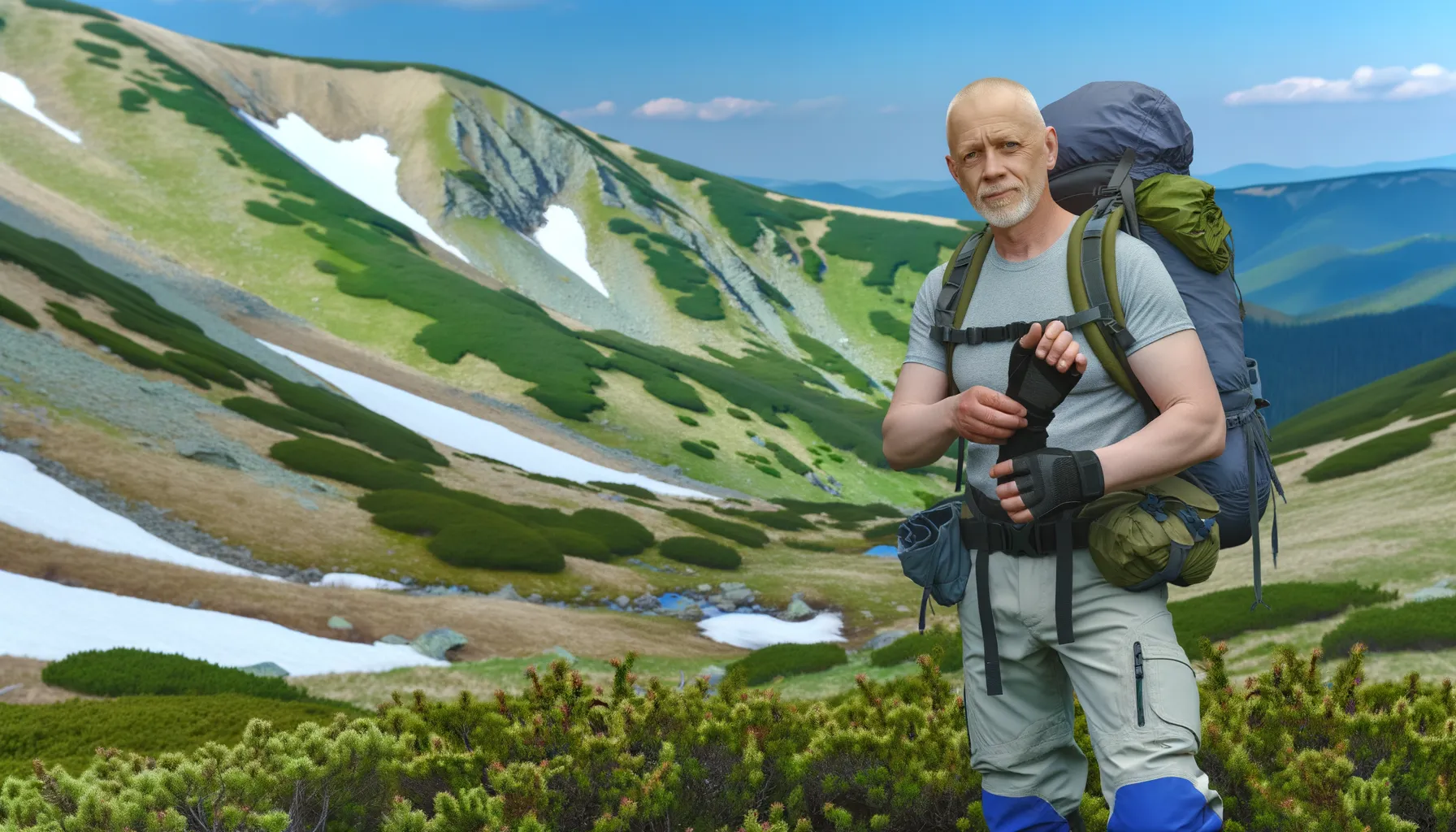
I once packed for a late September trip in Kananaskis the same way I’d packed for an August trip. Same sleeping bag, same single layer system, same trail runners. By 9 PM the temperature had dropped to near freezing, I was shivering in a 7°C-rated quilt that wasn’t cutting it, and my feet were soaked from frost-covered grass I’d walked through at camp.
Seasons don’t shift overnight, but your gear needs to shift before they do. The good news: you don’t need four separate kits. You need one solid base system and a few key swaps.
The Core Kit That Doesn’t Change
Some gear stays in your pack year-round:
- Backpack (unless you’re switching between day and multi-day)
- First aid kit
- Navigation (map, compass, phone/GPS)
- Headlamp (with fresh batteries)
- Knife or multi-tool
- Fire starter
- Sun protection (yes, even in winter — snow glare is real)
Everything else adapts.
Spring: The Unpredictable Season
Spring in the mountains is a liar. It’ll give you 18°C and sunshine at the trailhead, then snow at elevation. The trails are a mess — mud, snowmelt, ice patches, creek crossings that didn’t exist last month.
What changes:
- Footwear: Waterproof boots or shoes. Trail runners will be soaked in an hour. Gaiters help keep mud and slush out.
- Traction: Carry microspikes. Even if the trail looks clear at the bottom, there’s often ice or packed snow higher up. I’ve turned around on spring hikes because I didn’t bring them.
- Layers: Dress for 15°C temperature swings in a single day. A breathable base layer, lightweight fleece, and a rain shell covers most scenarios.
- Rain gear: Non-negotiable. Spring storms come fast and hit hard. Full rain jacket, and rain pants if you’re going above treeline.
- Sleep system: If you’re camping, bring a bag rated 5-10°C colder than you think you’ll need. Spring nights drop fast.
Spring trap to avoid:
Packing for the forecast at the trailhead instead of the conditions at your highest point. Elevation changes everything.
Summer: Light and Fast
Summer is the easiest season to pack for, which is why people get complacent.
What changes:
- Layers: Minimal. Hiking shirt, shorts, one lightweight long-sleeve for sun/bugs, a thin rain shell. That’s your clothing system.
- Insulation: A lightweight puffy (~200-300g) for camp and unexpected cold snaps. Even in July, evenings in the Rockies can drop to 5°C.
- Sleep system: A 5-10°C quilt or bag is fine for most summer trips below 2500m. Pair with a sleeping pad with R-value 3+.
- Water: Carry more capacity. Heat and exertion mean higher water consumption. Know your sources and carry a filter.
- Sun protection: Hat, sunglasses, sunscreen. Above treeline, UV is intense. I’ve gotten sunburned through a thin hiking shirt.
- Bugs: Bug spray or a headnet depending on the area. Mosquitoes in the Canadian Rockies peak in June-July and can be brutal near water.
Summer trap to avoid:
Skipping the rain jacket because “it looks clear.” Afternoon thunderstorms in the mountains are almost guaranteed in July and August. They build fast and hit hard, especially above treeline.
Fall: The Best Season (With Catches)
Fall hiking is my favourite. Fewer people, cooler temps, no bugs, incredible colours. But the margin for error shrinks.
What changes:
- Insulation: Step up from summer. A warmer puffy (or add a fleece mid-layer). Nights get cold fast — I bring a 0°C bag for anything past mid-September.
- Layers: More of them. A merino base layer, fleece mid, puffy, and rain shell gives you options for the full temperature range.
- Extremities: Gloves and a warm hat. Your core might be fine while your fingers go numb. Lightweight merino gloves weigh almost nothing and make a huge difference.
- Headlamp: Days are shorter. A hike that gives you plenty of daylight in July might have you finishing in the dark in October. Always carry a headlamp with enough battery for a few hours.
- Footwear: Consider switching back to waterproof boots. Morning frost, wet leaves, and early snow make trail runners risky.
Fall trap to avoid:
Underestimating how fast conditions change at elevation. I’ve started fall hikes in t-shirt weather and hit fresh snow by lunch. Check not just the forecast but recent trip reports.
Winter: A Different Game
Winter hiking (and especially winter camping) requires the most gear changes. If you’re just doing day hikes on packed trails, the adjustments are moderate. If you’re going backcountry overnight, it’s a significant step up.
What changes for day hikes:
- Layers: Full layering system. Moisture-wicking base, insulating mid (fleece + puffy), windproof/waterproof shell. Avoid cotton entirely.
- Traction: Microspikes minimum. Snowshoes if there’s significant accumulation. Check conditions before you go.
- Extremities: Warm gloves (or mittens + liner gloves), warm hat, neck gaiter or balaclava. Frostbite hits fingers, toes, and ears first.
- Footwear: Insulated waterproof boots. Cold, wet feet end trips fast.
- Emergency gear: Extra insulation layer, hand warmers, fire starter, emergency bivy. Winter mistakes escalate quickly.
What changes for overnights:
- Sleep system: Bag rated to -10°C or colder depending on conditions. An R-value 5+ sleeping pad. Cold ground will steal heat faster than cold air.
- Shelter: A four-season tent or a bombproof three-season with a solid fly. Wind and snow load matter.
- Stove: Liquid fuel performs better than canisters in cold temps. If using canisters, keep them warm (sleep with them in your bag).
- Water: Insulate your bottles or they’ll freeze. I flip mine upside down so ice forms at the bottom, not the opening.
Winter trap to avoid:
Sweating. It sounds backward, but moisture is the enemy in winter. If you’re hiking hard and overdressed, you’ll sweat through your base layer, then freeze the moment you stop. Vent early and often. Remove layers before you’re hot.
The Actual Gear Swaps (Summary)
| Item | Summer | Shoulder Season | Winter |
|---|---|---|---|
| Base layer | Lightweight synthetic | Merino wool | Merino wool (heavier weight) |
| Mid layer | None or thin fleece | Fleece | Fleece + puffy |
| Shell | Ultralight rain jacket | 3L rain jacket | Hardshell or insulated shell |
| Legs | Shorts/light pants | Pants + rain pants | Insulated pants or softshell |
| Feet | Trail runners | Waterproof boots | Insulated waterproof boots |
| Hands | — | Liner gloves | Insulated gloves/mittens |
| Head | Sun hat | Warm hat | Warm hat + balaclava |
| Sleep bag | 5-10°C | 0 to -5°C | -10°C or colder |
| Traction | — | Microspikes | Microspikes/snowshoes |
You Don’t Need Four Complete Kits
Most seasonal adaptation is adding or swapping a few items, not rebuilding from scratch. A good rain shell, a versatile puffy, a merino base layer, and a pair of microspikes extend your three-season kit deep into shoulder season. A warmer bag and insulated boots push you into winter.
Start with summer. Add pieces as you push into colder months. You’ll figure out what you personally need faster than any gear list can tell you.