Lighten Your Load: The Best Lightweight Gear for Long-Distance Hikes
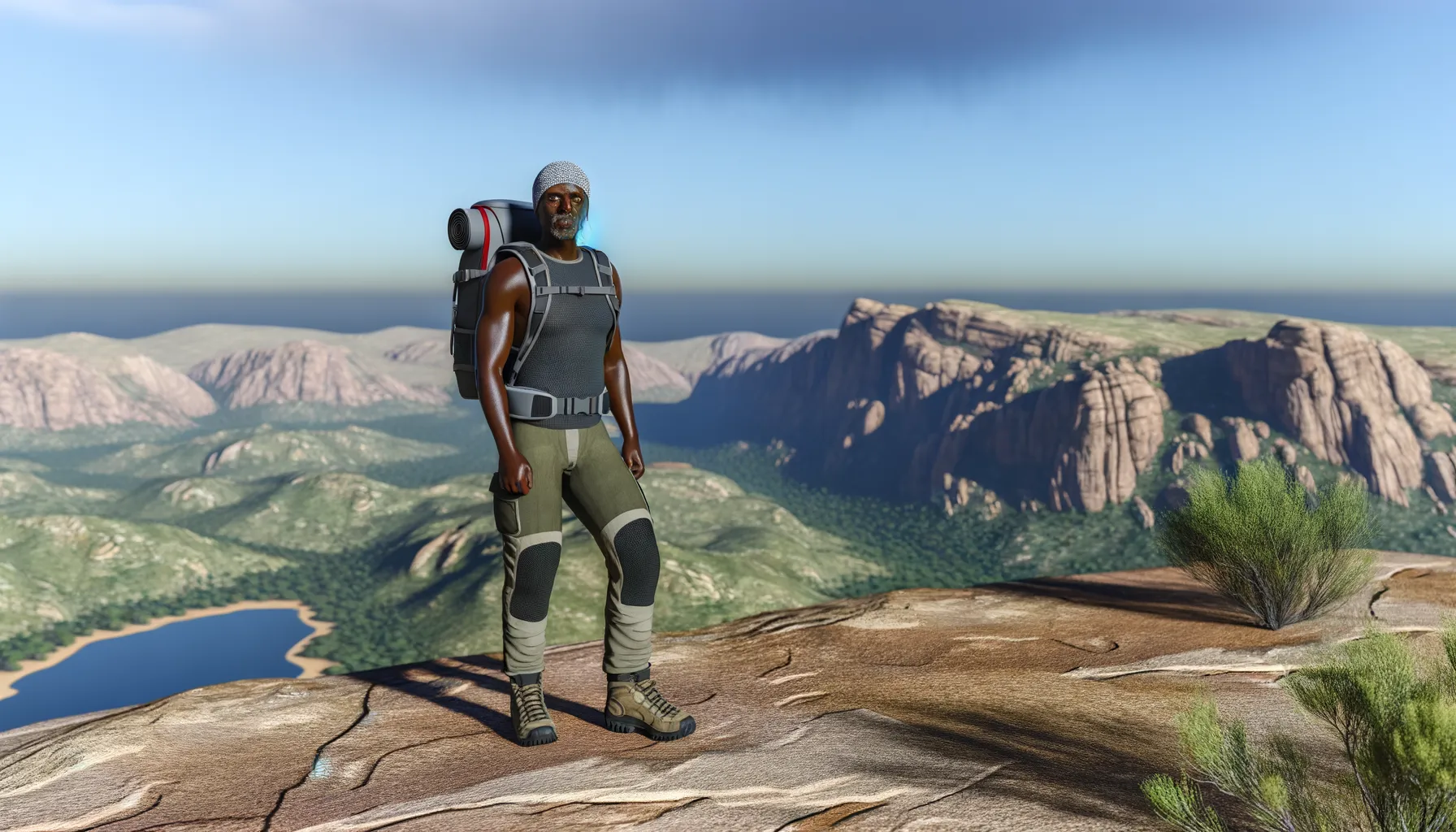
Why Weight Matters More Than You Think
On my first multi-day trip in the Rockies, my pack weighed somewhere around 20 kg. By day two, my shoulders were raw, my knees ached on every descent, and I was moving so slowly that I barely made camp before dark. I wasn’t out of shape — I was just carrying too much stuff.
The difference between a 20 kg pack and a 12 kg pack isn’t just comfort. It’s how far you can go, how you feel when you get there, and whether you actually enjoy the trip or just survive it. Every kilogram you cut gives you more energy, more speed, and less wear on your body.
You don’t need to go full ultralight to benefit from this. Even shaving 3-4 kg off your current setup makes a noticeable difference.
Start With the Big Three
Your tent, sleeping system, and backpack account for roughly half your base weight. This is where the biggest gains are.
Shelter
A standard backpacking tent weighs 2-3 kg. An ultralight option can weigh under 1 kg. The trade-off is usually durability and interior space.
Practical options:
- Budget: A single-wall tent or trekking pole shelter in the 1-1.5 kg range. Less spacious, but dramatically lighter.
- Mid-range: A double-wall tent around 1.2-1.5 kg. Good balance of weight and livability.
- Ultralight: A tarp or tarp-tent under 500g. Minimal protection, maximum weight savings. Not for everyone.
I use a two-person ultralight tent even when solo — the extra 200g buys enough room to keep my pack inside during rain, which is worth it in the Rockies where afternoon storms are routine.
Sleep System
This is where most people carry unnecessary weight without realizing it.
Sleeping bag vs. quilt: A quilt (no hood, no zipper, no back insulation) saves 200-400g over an equivalent sleeping bag. If you’re a back sleeper, quilts are great. If you toss and turn, a bag might be better.
Down vs. synthetic: Down is lighter and packs smaller. Synthetic insulates when wet. For most three-season trips, down with a water-resistant treatment is the better choice for weight savings.
Sleeping pad: An inflatable pad with an R-value of 3-4 covers most three-season conditions. Foam pads are lighter and indestructible but bulkier. Some people use a short foam pad plus an inflatable for their torso — creative but effective.
Backpack
Once you’ve lightened your gear, you can carry a lighter pack. Not the other way around.
A frameless or minimal-frame pack in the 500g-1kg range works well if your total load is under 10 kg. If you’re carrying more, you still want hip belt support and some structure.
Don’t buy an ultralight pack first and then try to cram heavy gear into it. Lighten the contents, then downsize the container.
The Next Tier: Kitchen, Clothing, Extras
Cooking
The simplest weight cut: carry less kitchen.
- Stove: A canister stove like an MSR PocketRocket weighs about 70g. That’s hard to beat.
- Pot: One 750ml titanium pot. That’s your entire kitchen.
- Utensil: One long-handled spork.
- No: plates, cups, extra pots, frying pans, or kitchen sinks.
If you’re feeling adventurous, try cold soaking — no stove at all. Soak couscous, instant beans, or ramen in cold water for a few hours. It’s not gourmet, but it eliminates stove, fuel, and pot weight entirely. I’ve done this on shorter trips and it works fine when the weather is warm.
Clothing
The biggest clothing mistake is packing for “what if” instead of “what’s likely.”
My standard three-season clothing list:
- What I’m wearing: hiking shirt, shorts/pants, underwear, socks, shoes
- Camp layer: lightweight long-sleeve, sleep socks
- Insulation: puffy jacket (down, ~300g)
- Rain: rain jacket (~200g)
- Accessories: buff, lightweight gloves (shoulder season)
That’s it. No backup outfit. No “just in case” fleece on top of the puffy. One set for hiking, one set for camp, one layer for warmth, one layer for rain. Everything synthetic or merino.
Water
Water is the heaviest consumable you carry (1L = 1 kg). Don’t carry more than you need.
- Study your route’s water sources before the trip.
- Carry enough to reach the next source, plus a small buffer.
- A Sawyer Squeeze filter weighs 85g and handles all your treatment needs.
On well-watered trails in the Canadian Rockies, I rarely carry more than 1.5L at a time. On dry stretches, I’ll carry up to 3L. Know your route.
Cheap Ways to Cut Weight
Going ultralight doesn’t have to mean spending thousands. Some of the best weight cuts are free or cheap:
- Repackage everything. Transfer sunscreen, soap, and first aid into tiny containers. Ditch the original packaging.
- Cut your sleeping pad. A torso-length pad saves 100-200g. Use your pack under your legs.
- Ditch the stuff sacks. Use a single pack liner instead of individual stuff sacks for each item. Lighter and faster to pack.
- Trim your first aid kit. You don’t need a full pharmacy. Bandaids, Leukotape, painkillers, antihistamines, personal meds. That’s it for most trips.
- Leave the camp shoes. Controversial, but on shorter trips I just loosen my hiking shoes at camp. Saves 200-400g.
- Weigh everything. Buy a cheap kitchen scale and weigh every item. You’ll be shocked at what’s heavy. Knowledge is the first step.
The Weight Trap to Avoid
There’s a point where cutting weight starts costing comfort, safety, or sanity. Don’t cross it.
I’ve met ultralight hikers who left behind rain gear to save 200g and got hypothermic in a storm. I’ve seen people with frameless packs carrying loads that clearly needed a frame, suffering through every step. The lightest possible setup isn’t always the best setup.
Cut weight where it doesn’t cost you anything meaningful. Keep the gear that keeps you safe and lets you sleep. A good night’s sleep is worth more than saving 300g on your pad.
A Realistic Target
For a three-season, 2-3 night trip:
- Base weight under 7 kg is achievable without extreme sacrifice
- Base weight under 5 kg requires deliberate ultralight choices and some comfort trade-offs
- Base weight under 3 kg is possible but demands expensive gear and a high tolerance for minimalism
Most people will be happiest in the 6-8 kg range. That’s light enough to move well, heavy enough to be comfortable.
Bottom Line
Lightening your pack isn’t about buying the most expensive gear or suffering through cold nights with a too-thin sleeping bag. It’s about being intentional with what you carry.
Weigh your gear. Question every item. Start with the big three. And remember that the goal isn’t the lightest pack — it’s the best experience on trail.