Hiking in the Canadian Rockies
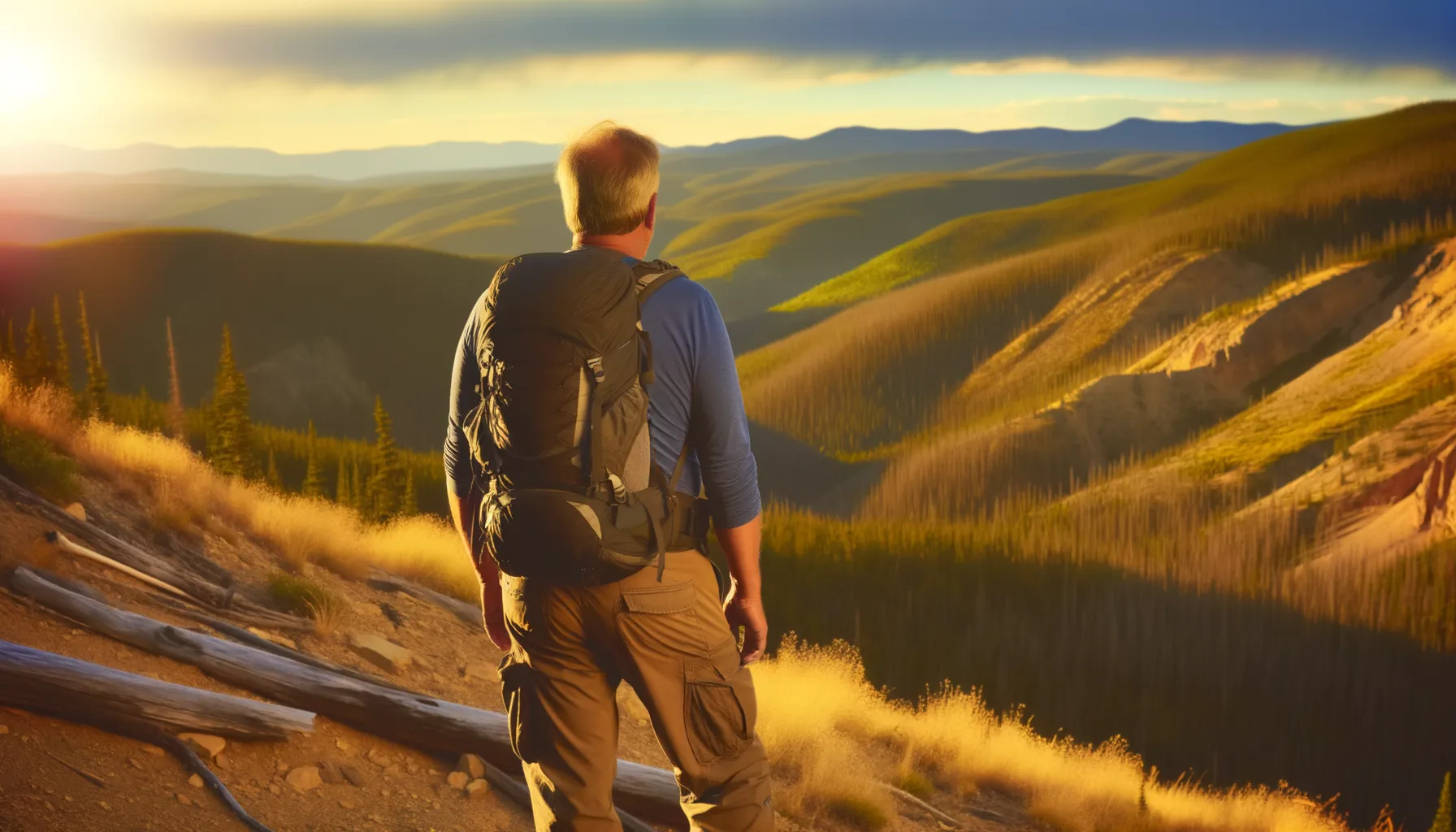
I live in Alberta, and I still get hit by the scale of the Rockies every time I drive out to a trailhead. The mountains don’t ease into it. You come over a ridge or around a bend and suddenly there’s a wall of limestone and glacial ice that makes you feel very small and very lucky at the same time.
I’ve been hiking in the Canadian Rockies for a few years now — Kananaskis, Jasper, Banff, and various spots in the BC backcountry. Some trips were perfect. Some taught me expensive lessons about weather, preparation, and hubris. Here’s what I wish I’d known when I started.
What Makes the Canadian Rockies Different
If you’ve hiked elsewhere in North America, a few things will catch you off guard here:
The weather changes fast. You can start a hike at 20°C and hit snow at the summit. I’ve been in t-shirt weather at a Kananaskis trailhead and wearing every layer I had two hours later at the pass. Always pack for conditions significantly worse than the forecast.
The elevation is real but deceptive. Trailheads in the Rockies often start at 1500-2000m. You’re already at altitude before you begin climbing. If you’re coming from sea level, you’ll notice it — shorter breath, faster fatigue, headaches. Give yourself a day to acclimatize if possible.
Wildlife is everywhere. Grizzlies, black bears, elk, moose, cougars. This isn’t theoretical. I’ve encountered bears on trail in both Kananaskis and Jasper. You need bear spray, you need to know how to use it, and you need to make noise on the trail. Bear hangs or bear canisters are mandatory for backcountry camping.
The season is short. Most high-elevation trails aren’t snow-free until late June or early July, and snow returns by late September or October. The prime window is July through mid-September. Shoulder season hiking is possible but requires more gear and more caution.
Planning Basics
Parks and Permits
The Canadian Rockies span several jurisdictions, each with different rules:
- Banff, Jasper, Kootenay, Yoho (national parks): You need a Parks Canada pass to enter. Backcountry camping requires a separate wilderness pass and campsite reservation. Popular sites book up months in advance.
- Kananaskis Country (provincial): Requires a Kananaskis Conservation Pass. Backcountry camping is first-come, first-served at most sites — no reservations.
- BC provincial parks (Robson, Assiniboine, etc.): Each has its own permit system. Check BC Parks for specifics.
Book early. Backcountry sites in Banff and Jasper for summer open in January and sell out fast. If you want a specific itinerary, set a reminder for when bookings open.
Getting There
Most people access the Rockies from Calgary (Banff and Kananaskis are 1-2 hours west) or Edmonton (Jasper is about 3.5 hours west). The Icefields Parkway between Jasper and Lake Louise is one of the most scenic drives in the world and connects a huge number of trailheads.
No public transit to most trailheads. You need a car.
Cell Service
Basically non-existent once you leave the highway. Some trailhead parking lots near towns might have weak signal, but once you’re on trail, assume you have nothing. Carry a satellite communicator (Garmin inReach, ZOLEO, etc.) if you’re going backcountry. I bring mine on every overnight trip.
Trails Worth Planning a Trip Around
I’m not going to list 50 trails. Here are a few I’ve done or that are on my list, organized by commitment level.
Day Hikes
Ha Ling Peak (Kananaskis) — One of the most popular scrambles in K-Country. About 8 km round trip with 740m of elevation gain. The summit view is incredible on a clear day. Gets very busy on weekends — go early or midweek.
Parker Ridge (Icefields Parkway) — Short (5 km round trip) but the payoff is huge. You hike up a ridge and suddenly you’re looking at the Saskatchewan Glacier. One of the best effort-to-reward ratios in the Rockies.
Sulphur Skyline (Jasper) — About 8 km round trip with 700m gain. The view from the top takes in the Fiddle River valley and surrounding ranges. The hot springs at Miette are at the trailhead, which makes for a great post-hike reward.
Plain of Six Glaciers (Lake Louise) — Start at the lake, hike past the crowd in the first kilometre, and end up at a teahouse with glacier views. About 14 km round trip. One of those hikes where the scenery gets better with every step.
Overnight / Multi-Day
Skyline Trail (Jasper) — A 44 km point-to-point that spends most of its time above treeline. Widely considered one of the best backpacking routes in the Rockies. Requires good fitness and advance campsite booking. I haven’t done this one yet but it’s at the top of my list.
Maligne Lake to Jasper (Jasper) — I did this as a 3-night/4-day trip in summer 2024. Starting from the Maligne Lake trailhead and hiking through to Jasper was one of the best backcountry experiences I’ve had. The terrain changes constantly — lake shoreline, dense forest, alpine meadows, river valleys. The campsites were well-maintained and the solitude was real once we got past the first few kilometres.
Berg Lake Trail (Mount Robson) — The approach to the north face of Mount Robson, the highest peak in the Canadian Rockies. About 23 km one way. The Berg Lake campsite with its views of glaciers calving into turquoise water is unforgettable. Reservations are extremely competitive.
Assiniboine via Sunshine (Banff/BC border) — A 27 km trek to the Matterhorn of the Rockies. Mount Assiniboine Provincial Park is one of the most spectacular backcountry destinations in the range. You can also fly in by helicopter if you’d rather skip the approach.
What to Pack (Rockies-Specific)
I’ve covered general backpacking gear in other posts, but here’s what’s specific to the Canadian Rockies:
- Bear spray. Carry it on your hip belt, not buried in your pack. Practice getting it out quickly. You want the safety off and the can aimed in under 3 seconds.
- Bear canister or hang kit. Required at most backcountry sites. Some national park campsites have bear lockers; check before you go.
- Layers for big temperature swings. A 25°C temperature range in a single day is normal. Base layer, fleece, puffy, rain shell — all of it.
- Microspikes. Even in July, some passes and north-facing slopes hold snow and ice. Light and cheap insurance.
- Sun protection. UV at elevation is intense. Hat, sunglasses, sunscreen. I’ve been badly sunburned on overcast days above treeline.
- Water treatment. Streams and lakes look pristine but can carry giardia. Filter or treat everything.
- Satellite communicator. No cell service means no emergency calls without one. Not optional for backcountry trips in my opinion.
Wildlife Safety (The Short Version)
- Make noise on trail, especially near blind corners, streams, and berry patches. Talking is better than bear bells.
- Carry bear spray and know the difference between a bluff charge and an actual charge. Parks Canada has good resources on this.
- Store food properly. Bear hang, bear canister, or bear locker. Never leave food in your tent. Never cook where you sleep.
- Give wildlife space. 100m minimum for bears and wolves, 30m for elk and deer. Use a telephoto lens, not your feet.
- Travel in groups when possible. Groups of four or more have statistically almost zero bear incidents.
I’ve had two close bear encounters in the Rockies — both times the bear was more interested in leaving than I was. But I had spray accessible and I’d made noise approaching. Do the basics and the risk is very manageable.
When to Go
- July - mid-September: Prime season. Most trails are snow-free. Wildflowers peak in late July. Crowds peak in August.
- Late June: Snow lingers at higher elevations. Some trails may be impassable. Good for lower-elevation hikes.
- Late September - October: Larch season. The golden larches in the Rockies are worth a trip on their own. Expect cold nights, possible snow, and shorter days.
- Winter: Snowshoeing and winter hiking are options on certain trails, but conditions are serious. This is a different kind of trip entirely.
Bottom Line
The Canadian Rockies are world-class hiking terrain that happens to be in my backyard, and I still haven’t scratched the surface. The combination of scale, wildlife, alpine scenery, and well-maintained trail systems is hard to match anywhere.
Plan ahead, book early, pack for the worst, and give yourself more days than you think you need. The mountains aren’t going anywhere, but the good backcountry sites in July definitely are.