Hiking for Beginners: The Ultimate 101 Guide for New Hikers
You Already Know How to Hike
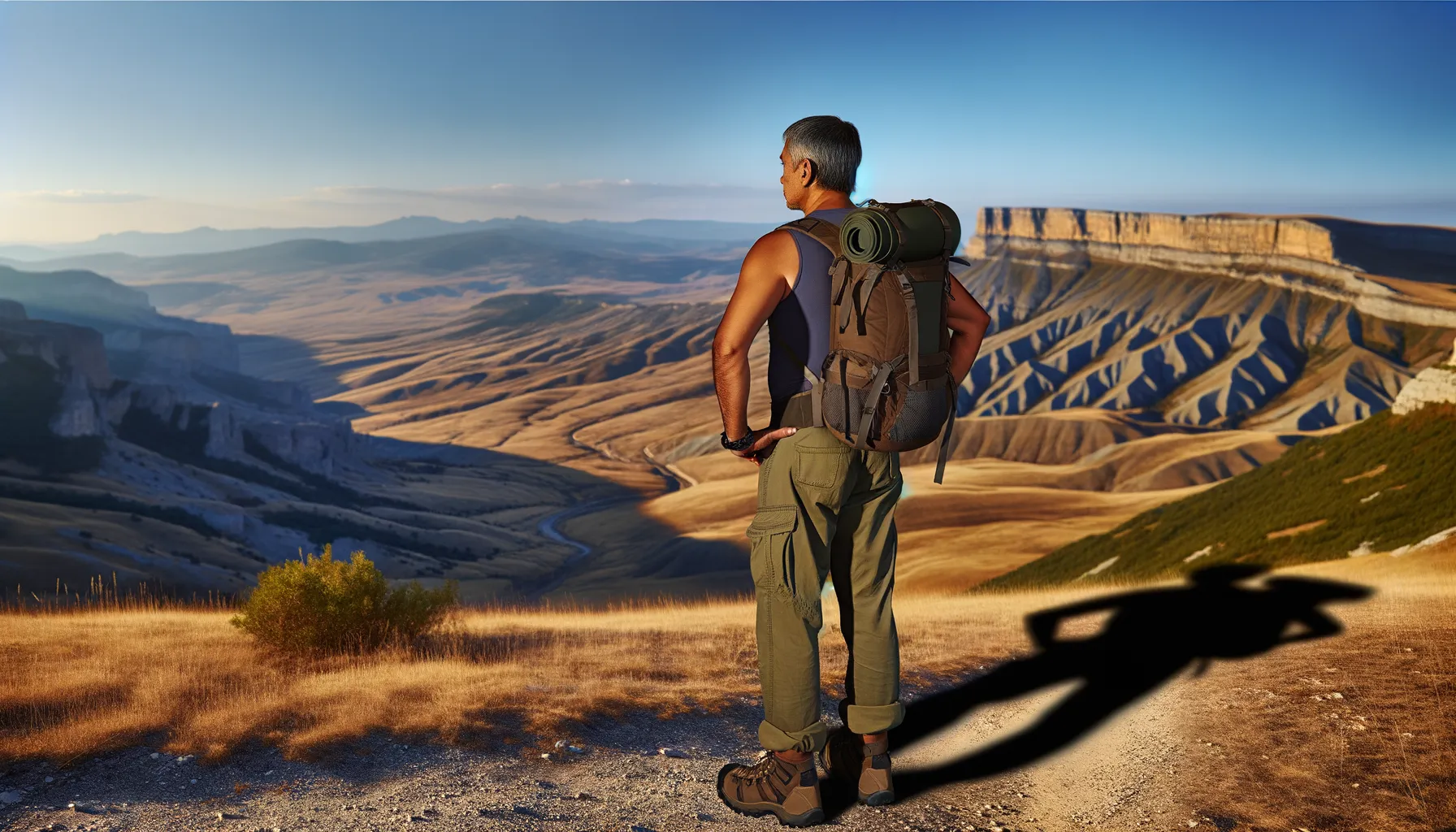
Here’s a secret: if you can walk, you can hike. That’s it. Hiking is just walking outside, usually on a trail, usually somewhere with trees or mountains or water. There’s no certification, no minimum fitness level, no gear requirement beyond shoes and water.
I say this because when I started hiking, I overthought everything. I spent hours researching gear, reading forums, watching YouTube videos about “proper technique.” Then I went on my first hike in running shoes and a cotton t-shirt with a water bottle shoved in my jacket pocket, and it was great. Not because I was prepared — I wasn’t — but because the bar for entry is genuinely low.
That said, a little knowledge goes a long way toward making your first hikes more comfortable and less stressful. So here’s what I wish someone had told me when I started.
Finding Your First Trail
Use AllTrails
AllTrails is the go-to app for finding trails. You can filter by difficulty, distance, elevation gain, and location. The reviews are genuinely useful — people post recent conditions, parking tips, and photos. Download the app, search for trails near you, and filter for “Easy” to start.
Start Short and Flat
Your first hike should be 3-5 kilometres, with minimal elevation gain. You’re not training for anything — you’re just getting a feel for being on a trail. Look for well-marked, well-maintained paths in local parks or conservation areas. Save the mountain scrambles for later.
Check Conditions Before You Go
A trail that’s lovely in July can be a muddy mess in April. Check recent AllTrails reviews for current conditions. Check the weather forecast. And check that the trailhead is actually accessible — some require gravel roads or seasonal access.
Go in the Morning
Parking fills up fast at popular trailheads, especially on weekends. Starting early also means cooler temperatures, fewer people, and more wildlife. I aim to be on the trail by 8-9 AM for day hikes.
What to Wear
The One Rule: No Cotton
Cotton absorbs sweat and rain, stays wet forever, and will make you cold and miserable. This is the single most useful piece of advice I can give a beginner. Wear synthetic or merino wool fabrics instead — they wick moisture and dry fast.
You don’t need to buy expensive hiking clothes right away. Athletic wear you already own (gym shorts, running shirts, workout leggings) works perfectly. Just avoid cotton.
Dress in Layers
Weather changes, especially at elevation. Even on a warm day, I bring:
- Base layer — a moisture-wicking shirt
- Mid layer — a fleece or light jacket
- Outer layer — a rain jacket (even if the forecast is clear)
You can always take layers off. You can’t put on layers you didn’t bring.
Footwear
For easy, well-maintained trails, running shoes or trail runners are fine. You don’t need hiking boots for your first few hikes. What matters is that your shoes have decent tread and fit well. If you’re slipping on every rock, it’s time to upgrade.
Once you start doing longer or rougher trails, invest in proper hiking shoes or boots. But don’t let “I don’t have the right boots” stop you from getting out there.
What to Bring
For a day hike under 10 kilometres, you don’t need much:
- Water — more than you think. At least 1 litre for a short hike, 2+ litres for anything longer or in heat. A reusable bottle or hydration bladder works.
- Snacks — trail mix, granola bars, fruit. You’ll be hungrier than expected.
- Phone — fully charged, with offline maps downloaded (Gaia GPS or AllTrails). Don’t rely on cell service.
- Sun protection — hat, sunglasses, sunscreen. Sunburn at elevation happens fast.
- Rain jacket — even if the forecast says clear. Weather lies.
- Small first aid kit — bandaids, blister treatment, painkillers. Nothing fancy.
That’s it. Throw it in whatever backpack you already own. You don’t need a dedicated hiking pack for day hikes.
On the Trail
Pace Yourself
The number one beginner mistake is starting too fast. You’re not racing anyone. Find a pace where you can hold a conversation without gasping. If you’re breathing hard, slow down. There’s no shame in taking breaks — I still stop to catch my breath on steep sections, and I’ve been doing this for years.
Trail Etiquette
A few unwritten rules that are good to know:
- Uphill hikers have the right of way. If someone’s coming up and you’re going down, step aside and let them pass.
- Stay on the trail. Don’t cut switchbacks or create new paths. It causes erosion and damages vegetation.
- Pack out your trash. Everything you bring in comes back out with you. Including food scraps.
- Be friendly. A quick “hey” or “good morning” to other hikers is standard. It’s also a safety thing — if something goes wrong, people who saw you on the trail can help searchers.
Know When to Turn Back
This is important: you don’t have to finish every hike. If the weather turns, if you’re more tired than expected, if the trail is harder than you anticipated — turn around. There’s no prize for pushing through when you shouldn’t. The trail will be there next time.
I’ve turned back on hikes more times than I can count. It’s never felt like failure. It’s always felt like good judgment.
Building Up
Once you’ve done a few easy day hikes and feel comfortable, start pushing a little:
- Add distance — try a 8-10 kilometre hike
- Add elevation — look for trails with 300-500 metres of gain
- Try different terrain — rocky trails, forest paths, alpine meadows
- Hike in different weather — a rainy hike is a different experience, and it’s good to know how you handle it
Eventually, you might want to try an overnight backcountry trip. That’s a whole different thing — different gear, different planning, different skills. But it all starts with day hikes. Every backcountry trip I’ve done, from the West Coast Trail to multi-day trips in the Rockies, started because I fell in love with day hiking first.
The Only Gear That Matters Early On
People love to obsess over gear. Don’t fall into that trap. For your first several hikes, you need:
- Non-cotton clothes you already own
- Shoes with decent tread
- Water
- Snacks
- Your phone
That’s it. Everything else — trekking poles, hiking boots, fancy backpacks, GPS devices — can come later as you figure out what you actually need based on the kind of hiking you enjoy. Don’t spend $500 at an outdoor store before your first hike. Spend $0 and go walk in the woods. You can optimize later.
Just Go
The best advice I ever got about hiking was the simplest: just go. Don’t wait until you have the perfect gear. Don’t wait until you’re “fit enough.” Don’t wait for the perfect weather or the perfect trail. Pick something easy, tell someone where you’re going, bring water, and walk.
You’ll figure out the rest as you go. Everyone does.