Hiking and Backpacking Meal Ideas
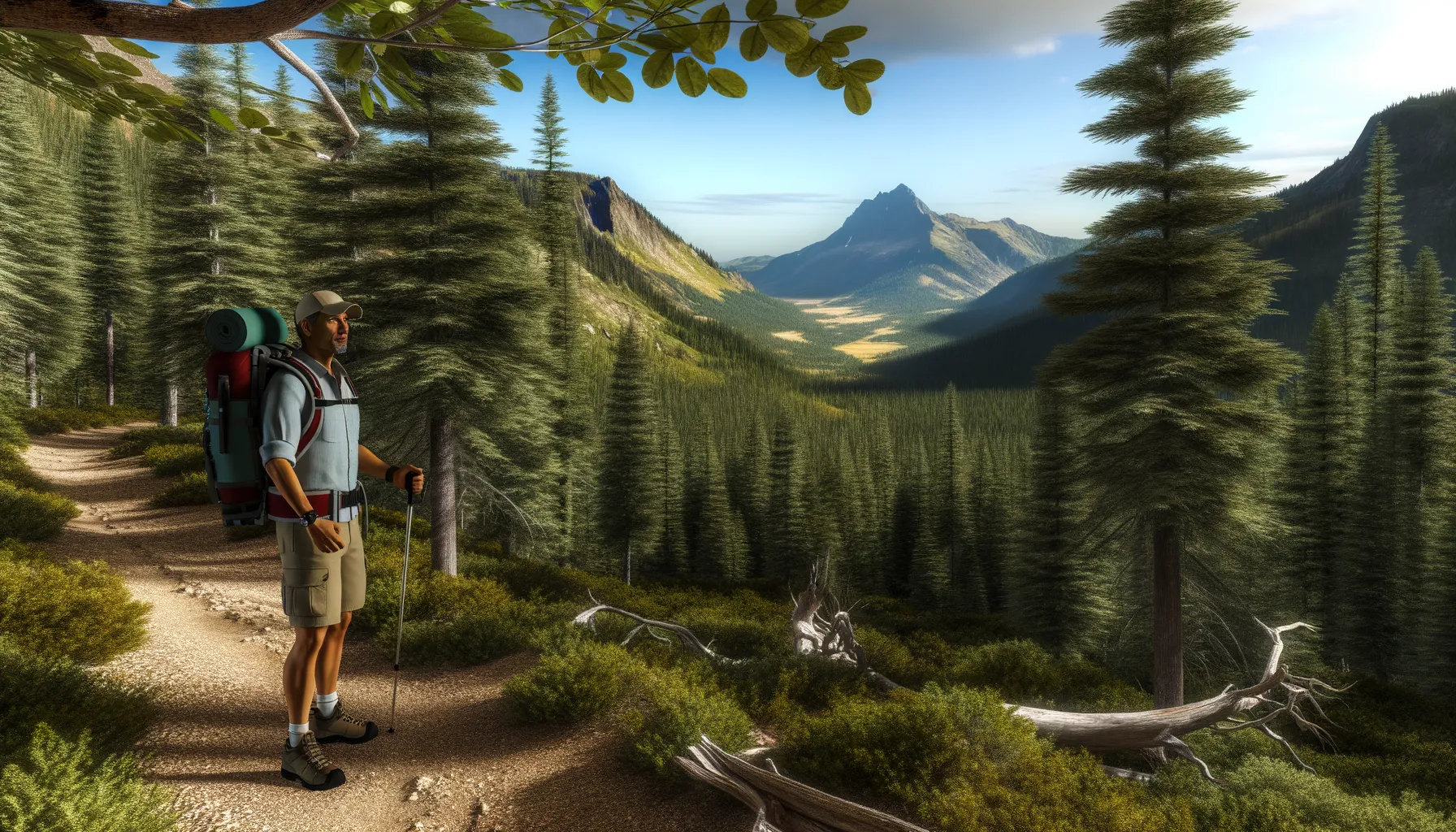
On my first backcountry trip, my meal plan was two bags of beef jerky, a box of granola bars, and a vague hope that I’d figure out the rest. By day two I was so tired of jerky that I traded half of it to another hiker for a single packet of instant ramen. That ramen, eaten out of a dented pot at 9 PM, was one of the best meals I’ve ever had.
Since then I’ve gotten significantly better at trail food. Not gourmet — I’m not making backcountry risotto. But I eat well, I eat enough, and I actually look forward to meals on trail. Here’s what works.
The Basics: What Your Body Needs
Before the meal ideas, a quick note on fuel. On a full day of hiking with a pack, you’re burning 3000-4500 calories. You won’t replace all of that on trail, but you need to get close.
Your three priorities:
- Carbs: Immediate energy. Rice, oats, tortillas, crackers, dried fruit, candy.
- Fat: Dense calories, sustained energy. Nut butter, cheese, olive oil, nuts, chocolate.
- Protein: Muscle recovery, keeps you full. Jerky, tuna packets, salami, beans, powdered milk.
The ratio matters less than just eating enough. If you’re bonking at 2 PM every day, you’re under-eating — usually not enough fats and carbs.
Day Hike Food
Day hikes are easy. You don’t need to cook. You just need calorie-dense food that travels well and doesn’t need refrigeration for a few hours.
What I Pack
Lunch:
- Tortilla wraps with salami, cheese, and mustard (build them the morning of — tortillas hold up better than bread)
- Or a PB&J on a dense bread that won’t get crushed
Snacks (rotate through the day):
- Trail mix (I make my own — almonds, cashews, dark chocolate chips, dried mango)
- A couple of energy bars (I like the ones with actual ingredients, not candy bars pretending to be healthy)
- An apple or orange (worth the weight on day hikes)
- Cheese and crackers
Post-hike: I usually have something waiting in the car. A cold drink and a real sandwich or leftovers. It’s a small thing that makes the drive home better.
Day Hike Tips
- Eat before you’re hungry. Small snacks every hour or two keep your energy steady. If you wait until you’re starving, you’ve waited too long.
- Salty snacks matter. You’re sweating out sodium. Salted nuts, pretzels, or electrolyte tabs prevent the headache and fatigue that come with salt depletion.
- Bring more than you think. I’d rather carry an extra bar home than wish I had one at the 8 km mark.
Multi-Day / Backpacking Food
This is where it gets interesting. You need to balance calories, weight, shelf stability, and the will to live after eating the same thing three days in a row.
Breakfast
Instant oatmeal (upgraded). Plain instant oats are boring. Fix them:
- Add a spoonful of nut butter (I carry a small squeeze tube)
- Dried fruit (cranberries, mango, banana chips)
- A packet of honey or brown sugar
- Shake of cinnamon from a tiny container
This takes 3 minutes, costs almost nothing, and is genuinely good. I eat this almost every morning on trail.
Alternatives:
- Granola with powdered milk
- Pop-Tarts (not healthy, extremely effective as quick trail fuel)
- Instant coffee is non-negotiable for me. Starbucks VIA or similar single-serve packets weigh nothing.
Lunch (No-Cook)
On multi-day trips, I don’t cook lunch. I don’t want to pull out the stove, boil water, and clean up in the middle of a hiking day. Lunch is grab-and-eat.
Tortilla wraps. Tortillas are the backpacking bread. They don’t crush, they don’t mold as fast, and they hold anything:
- Salami + cheese + mustard
- Tuna packet + mayo packet + hot sauce
- Nut butter + honey + banana chips
Other no-cook lunch staples:
- Hard cheese (cheddar, gouda — lasts days without refrigeration)
- Summer sausage or salami (shelf stable, calorie dense)
- Crackers or pita bread
- Tuna or chicken packets (the foil ones, not cans — lighter and no drain)
- Hummus packets (single-serve ones exist and they’re great with crackers)
Dinner
Dinner is the meal. You’ve been hiking all day, you’re at camp, and you want something hot and satisfying.
Instant rice + protein + sauce. My go-to system:
- Instant rice (cooks in the pot in minutes)
- A tuna or chicken packet
- A sauce packet (I bring small packets of soy sauce, hot sauce, or curry paste)
This takes maybe 10 minutes and creates a real meal. You can vary it every night just by changing the sauce and protein.
Ramen (upgraded). Instant ramen is a backpacking classic for a reason — light, cheap, fast. Make it better:
- Add a tuna packet or jerky pieces
- Throw in dried vegetables (you can buy dehydrated veggie mixes)
- Squeeze of peanut butter for a lazy pad Thai vibe
- Hot sauce
Freeze-dried meals. I bring one or two on longer trips as a backup or a treat. Brands like Peak Refuel and Mountain House have gotten significantly better. They’re expensive ($10-15 per meal) and the portions can be disappointing, but the convenience is unbeatable — just add boiling water to the bag.
Couscous. Cooks almost as fast as instant rice, lighter to carry, and works with pretty much any flavoring you throw at it.
Snacks
Snacks are where most of your daytime calories come from on multi-day trips. Pack more than you think.
- Trail mix (the backbone — make a big batch at home)
- Energy bars (variety matters — don’t bring 12 of the same one)
- Jerky (beef, turkey, or salmon — good protein that doesn’t need cooking)
- Dark chocolate (calorie dense, morale booster, holds up better than milk chocolate in heat)
- Dried fruit (mango, pineapple, apricots — natural sugar)
- Nut butter packets (Justin’s or similar squeeze packs — eat straight or add to anything)
- Candy (Skittles, gummy bears — sometimes you just need quick sugar on a steep climb)
Practical Tips I’ve Learned
Pre-portion everything into daily bags. Before a trip, I divide all food into bags labeled Day 1, Day 2, etc. Each bag has breakfast, lunch, dinner, and snacks for that day. No digging through the bear canister wondering what’s left.
Repackage to save weight and space. Ditch the original boxes. Pour oatmeal into ziplock bags. Squeeze nut butter into reusable tubes. Every piece of cardboard and excess packaging adds up.
Bring a few condiment packets. Salt, pepper, hot sauce, soy sauce, mayo, mustard. These weigh almost nothing and turn bland food into something you actually want to eat. Grab extras next time you’re at a fast food place.
Cook in one pot. I carry a single 750ml pot and eat out of it. No plates, no bowls, minimal cleanup. Boil water, add food, eat from the pot, wipe it out with a bit of water, done.
Plan for the calorie deficit. You will not eat enough on a backpacking trip. Accept this. But you can minimize it by packing calorie-dense foods (nuts, nut butter, cheese, chocolate, olive oil) rather than filling your bear can with high-volume, low-calorie options.
Don’t forget electrolytes. On hot days or long climbs, water alone isn’t enough. Electrolyte tabs or powder packets prevent cramping and that foggy, depleted feeling.
A Sample 3-Day Meal Plan
| Day 1 | Day 2 | Day 3 | |
|---|---|---|---|
| Breakfast | Oatmeal + PB + dried mango | Granola + powdered milk | Oatmeal + honey + banana chips |
| Lunch | Salami & cheese tortilla | Tuna + crackers + hot sauce | PB & honey tortilla |
| Dinner | Instant rice + chicken packet + soy sauce | Upgraded ramen + tuna + PB | Freeze-dried meal (treat night) |
| Snacks | Trail mix, 2 bars, jerky | Trail mix, 2 bars, chocolate | Trail mix, 2 bars, dried fruit |
Adjust quantities based on your mileage and metabolism. I tend to eat more on day two and three as my body catches up with the effort.
Bottom Line
Trail food doesn’t need to be complicated or expensive. A stove, a pot, some instant staples, and a few condiment packets will feed you well for days. The key is eating enough, eating consistently, and having at least one meal a day that you actually look forward to.
Your legs do the hiking, but your stomach keeps them moving.