Hiker's Guide to Choosing the Perfect Backpack
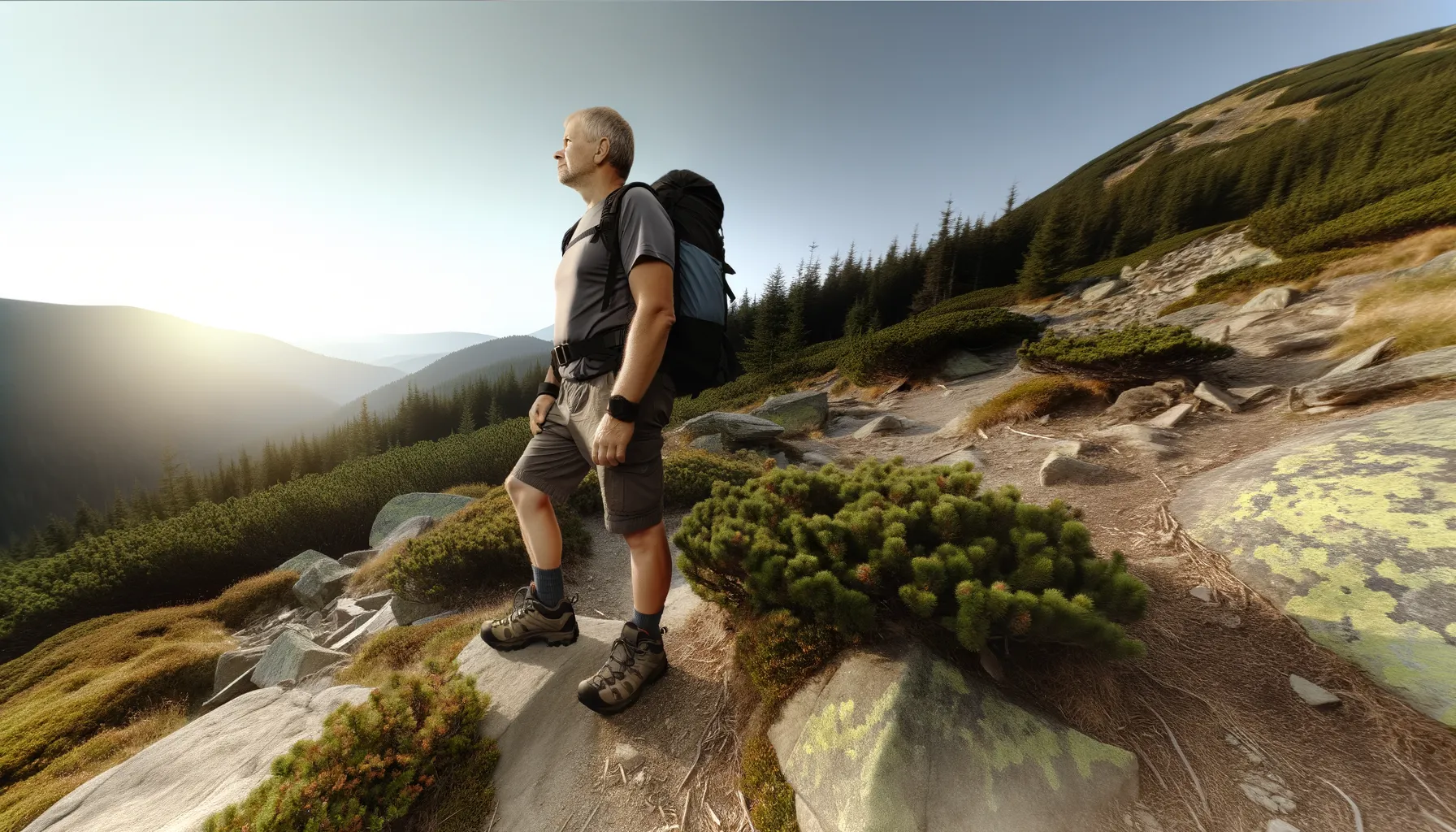
My first backpacking pack was a 75L beast that weighed almost 3 kg empty. It had more zippers than I knew what to do with, a detachable daypack I never used, and a frame designed for someone six inches taller than me. I bought it because it was on sale and looked serious.
It was terrible. My hips were bruised after day one, the load sat too high, and the hip belt kept riding up no matter how much I adjusted it. I replaced it within a year.
The right backpack isn’t the most expensive one or the lightest one. It’s the one that fits your body, matches your gear, and suits how you actually hike. Here’s how to figure out which one that is.
Start With Volume, Not Brand
Volume (measured in liters) determines what you can carry. Get this wrong and everything else is a compromise.
General guidelines:
- 30-40L: Day hikes with extra gear, or ultralight overnights
- 40-55L: Weekend trips (1-3 nights) with reasonably light gear
- 55-70L: Multi-day trips, shoulder season, or if your gear runs bulky
- 70L+: Winter trips, expeditions, or if you’re carrying group gear
Most people doing 2-3 night summer trips in the Rockies will be well served by a 50-60L pack. That’s big enough for all your gear without encouraging overpacking.
A common mistake: buying too big. A 75L pack for weekend trips means you’ll fill the extra space with stuff you don’t need, then wonder why your pack is so heavy.
Fit Is Everything
A pack that doesn’t fit your torso will never be comfortable, no matter how good the suspension or how light the load. This is the single most important factor.
Torso Length (Not Height)
Packs are sized by torso length, not your overall height. Two people who are both 5’10” can have very different torso measurements.
How to measure:
- Find your C7 vertebra (the bony bump at the base of your neck when you tilt your head forward).
- Find the top of your hip bones (iliac crest).
- Measure the distance between them. That’s your torso length.
Most packs come in 2-3 sizes (S, M, L) or have adjustable torso systems. Check the manufacturer’s size chart — they vary between brands.
Try It Loaded
Never judge a pack empty. At the store, load it with 10-15 kg of weight (most good outdoor stores have sandbags for this) and walk around for at least 15 minutes.
Pay attention to:
- Hip belt: Should wrap your hip bones, not your waist. This is where 70-80% of the weight should sit.
- Shoulder straps: Should contour your shoulders without gaps or pressure points.
- Load lifters: The straps from pack top to shoulder straps should angle at roughly 45 degrees.
- Sternum strap: Should sit about an inch below your collarbone. Snug, not tight.
If anything pinches, rubs, or feels wrong after 15 minutes with weight, it’ll be worse after 15 km on trail.
Frame vs. Frameless
Framed Packs
Most backpacking packs have an internal frame (aluminum stays, HDPE framesheet, or both). This transfers weight to your hips and keeps the load stable.
Best for:
- Loads over 10 kg
- Beginners (more forgiving of imperfect packing)
- Multi-day trips
- People who want hip belt support
Frameless Packs
Frameless packs ditch the frame to save weight (often under 500g). The trade-off is that you need to pack carefully — your sleeping pad becomes the “frame” against your back.
Best for:
- Experienced hikers with ultralight gear
- Loads under 8-10 kg
- People who’ve dialed in their packing system
I started with framed packs and still use them for anything over two nights. On shorter summer trips where my base weight is low, I’ll sometimes go frameless. Don’t start frameless as a beginner — learn with a frame first.
Weight of the Pack Itself
Your pack is one of the “Big Four” (pack, tent, sleeping bag, pad) that make up most of your base weight.
Rough categories:
- Traditional: 2-3 kg (full featured, lots of pockets, heavy-duty materials)
- Lightweight: 1-2 kg (simpler design, lighter fabrics, still has a frame)
- Ultralight: under 1 kg (minimal features, frameless or minimal frame)
For most people, a lightweight pack in the 1-1.5 kg range is the best balance. You get hip belt support, a frame, and reasonable durability without carrying a 3 kg empty pack.
Don’t buy the lightest pack and then fill it with heavy gear. Lighten the contents first, then match the pack to the load.
Features That Matter (And Ones That Don’t)
Worth having:
- Hip belt pockets: For snacks, phone, lip balm. You’ll use these constantly.
- Side water bottle pockets: Deep enough to hold a 1L bottle securely.
- Front mesh pocket: For stuffing a wet rain jacket or drying gear on the move.
- Load lifter straps: Essential for fine-tuning how weight sits on your back.
- Compression straps: Keep the load tight and stable when the pack isn’t full.
Nice but not essential:
- Hydration sleeve: Useful if you prefer a reservoir over bottles.
- Trekking pole attachments: Handy but you can improvise with compression straps.
- Rain cover: Some packs include one. A pack liner (trash compactor bag) works just as well and is lighter.
Skip:
- Detachable daypack lids: Adds weight and complexity. Just bring a small stuff sack if you need a summit bag.
- Dozens of external attachment points: More straps = more weight = more things to snag on branches.
- Built-in rain covers that add significant weight when a $2 pack liner does the same job.
How to Think About Price
Backpacks range from $100 to $400+. Here’s what the money gets you:
- $100-150: Solid entry-level packs. Heavier, fewer adjustments, but functional.
- $150-250: The sweet spot for most hikers. Good materials, proper suspension, reasonable weight.
- $250-400+: Premium materials (Dyneema, Ultra fabric), ultralight designs, cottage brand craftsmanship.
A $200 pack that fits you perfectly will outperform a $400 pack that doesn’t. Fit first, features second, brand last.
Brands Worth Looking At
I’m not recommending specific models because they change yearly, but these brands consistently make good backpacking packs:
- Osprey: Widely available, excellent warranty, good fit range. The Exos/Eja line is a solid lightweight option.
- Gregory: Known for comfortable suspension systems and good hip belts.
- Granite Gear: Great value in the lightweight category.
- ULA Equipment: Cottage brand, popular with thru-hikers. The Circuit is a classic.
- Gossamer Gear: Ultralight options with thoughtful design.
Go to a store. Try on three or four loaded packs. Walk around. The one that disappears on your back is the right one.
One More Thing
Your backpack is the one piece of gear that literally carries everything else. It’s worth spending time on this decision. Don’t rush it, don’t buy purely on price, and don’t let someone else’s “best pack” list override what your own back is telling you.
The perfect backpack is the one you forget you’re wearing.