Guide to Backpacking in the Rain
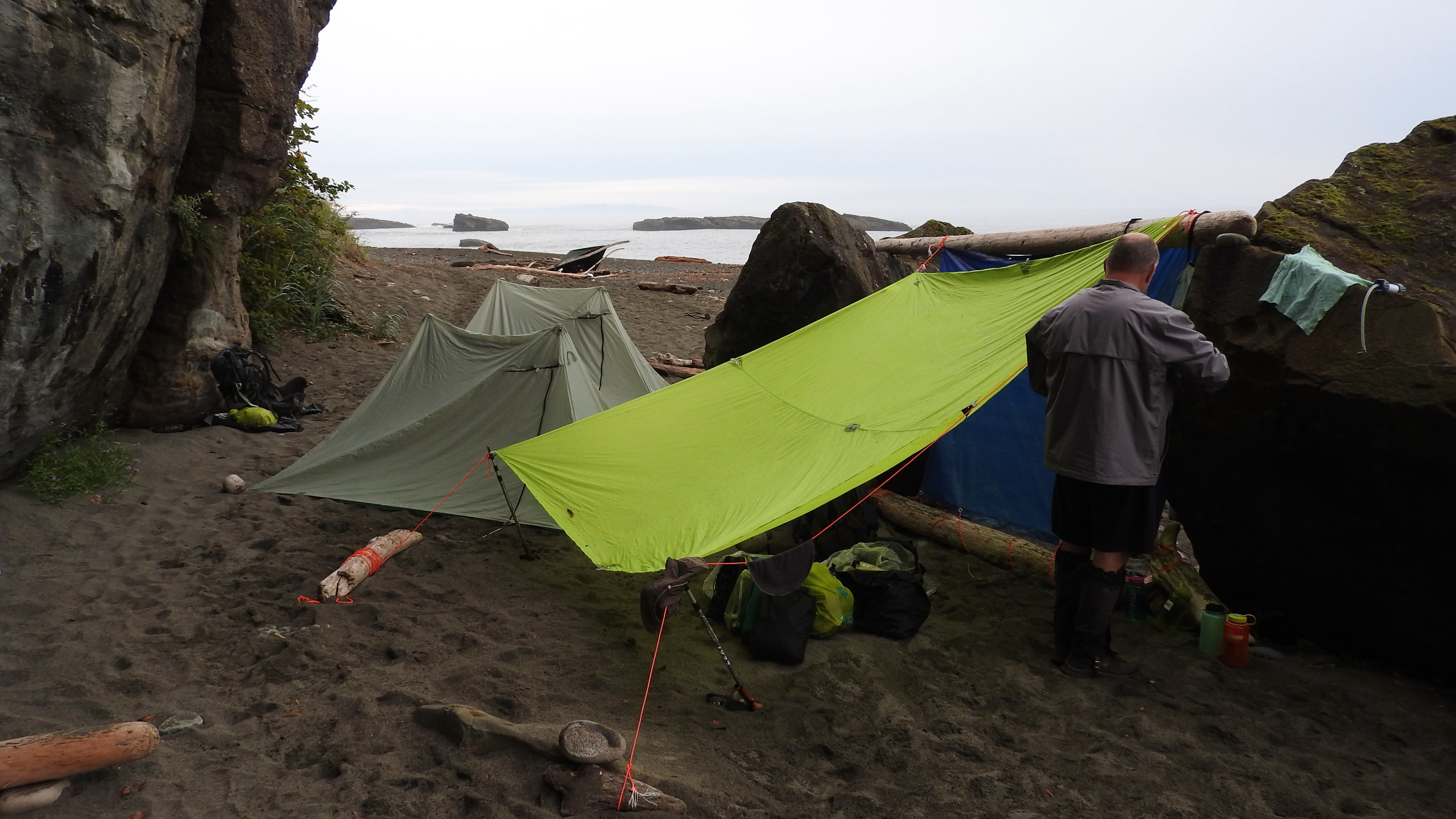
Most rain advice for backpacking is unrealistic.
You’ll hear people talk like the right jacket keeps you perfectly dry all day. It won’t. On any long wet trip, you’ll end up damp from rain, sweat, or both. The people who stay comfortable aren’t the ones with magical gear; they’re the ones with a better system.
That’s what this post is: the system I use for rainy overnights in Alberta and BC to stay warm, protect critical gear, and keep bad weather from wrecking the whole trip.
The First Rule: You Won’t Stay Fully Dry
If rain lasts all day, you will be damp. Between sweat, humidity, and water finding every tiny opening, “staying dry” is unrealistic.
The real objective is this:
- Stay warm enough to avoid hypothermia
- Keep your sleep system dry
- Keep one complete set of camp clothes dry
- Protect your morale
Once you accept that, your decisions get better.
Rain Gear That Actually Matters
1) A Real Rain Shell
You want a jacket with taped seams, decent hood adjustability, and pit zips. Breathability matters, but fit and ventilation matter more in real use.
I still like lightweight shells for most trips, but if forecast is sustained rain, I bring a more robust 3-layer jacket. It’s heavier, but far less clammy after six hours.
2) Rain Pants (Yes, Bring Them)
Most people skip rain pants, then spend a full day hiking in soaked pants and shivering at every stop. Rain pants are boring, but they work.
Full side zips are worth the extra grams when you’re pulling them on over wet boots in wind.
3) Pack Liner, Not Just Pack Cover
Pack covers help with direct rain but don’t keep water out from your back panel, seams, and shoulder straps.
Use a heavy-duty pack liner inside your backpack (trash compactor bags work great). Critical items go inside that liner:
- Sleeping bag or quilt
- Sleep clothes
- Puffy jacket
- Electronics
This one change solves 80% of rain-related gear problems.
4) Two Glove System
Wet hands can become a safety issue fast. I bring lightweight liner gloves plus waterproof shell mitts. Liner gloves get damp; shell mitts keep wind and rain off when it gets cold.
Clothing Strategy for Wet Trips
Hike Wet, Sleep Dry
I keep one full dry sleep kit in a waterproof stuff sack and never wear it while hiking:
- Long sleeve base layer
- Long underwear bottoms
- Dry socks
No exceptions. That’s your emergency warmth and your sleep comfort.
Avoid Cotton Completely
Cotton holds water and stays cold. In prolonged rain, that’s how you turn a manageable day into a hypothermia scenario. Use synthetic or merino only.
Footwear: Pick Your Suffering
There are two workable strategies:
- Waterproof boots for short-to-moderate rain and colder conditions
- Non-waterproof trail runners that drain and dry faster in sustained wet conditions
On trips where I know water will come over the top repeatedly, fast-draining footwear usually wins. Waterproof boots become buckets once flooded.
Camp Setup in the Rain
Rain backpacking gets won or lost at camp.
Choose Site With Drainage in Mind
Don’t camp in low spots even if they’re flat. Look for slightly raised ground and avoid obvious water flow channels.
Get Shelter Up First
If your shelter allows fly-first pitch, use it. Keep the inner dry at all costs. If not, move quickly and keep your inner tent in a separate dry bag until the last possible second.
Create a Wet/Dry Split
- Vestibule = wet zone (wet shell, wet shoes, wet pack exterior)
- Inner tent = dry zone (sleeping gear and dry clothes only)
When you’re tired and cold, this system prevents expensive mistakes.
Eat Early
In rain, temperature drops as soon as you stop moving. I cook quickly, eat early, and get warm calories in before I get chilled. Hot food and tea do more for morale than any ultralight trick.
Safety: Where Rain Gets Serious
Rain increases risk in ways people underestimate:
- River crossings rise quickly
- Rock and roots become slick
- Trail speed drops
- Core temp drops during stops
Hard Rules I Use
- If creek crossings look questionable, I turn around.
- If I stop shivering only while moving, I add layers immediately.
- If visibility gets bad and route-finding is uncertain, I slow down or stop.
- If morale and energy are tanking, I shorten the day.
Backpacking isn’t a contest. A conservative call in rain is usually the right one.
Small Things That Make a Big Difference
- Keep snacks accessible so you can eat while moving
- Put your headlamp where you can grab it without opening your pack liner
- Carry one small microfiber cloth for wiping condensation
- Keep tomorrow’s socks in a separate dry bag
- Use zip bags for phone, battery bank, and paper map
Also: when the sun appears for even 20 minutes, stop and dry gear. Lay out your tent, socks, and quilt immediately. Those short drying windows are gold.
A Simple Rain-Trip Packing Add-On
Beyond your normal backpacking kit, add:
- Waterproof shell jacket with pit zips
- Rain pants
- Pack liner
- Extra dry socks (at least one dedicated sleep pair)
- Liner gloves + waterproof shell mitts
- Warm hat
- Small towel or microfiber cloth
- Extra fuel for hot drinks/meals
That’s enough for most three-season rain trips in places like the Rockies and coastal BC.
Bottom Line
Rain backpacking is more mental than technical. Everyone gets wet. The people who handle it well are the ones who protect their core warmth, guard their dry gear, and avoid emotional decisions when they’re cold and tired.
You don’t need perfect weather for a great trip. You just need a system that still works when the sky doesn’t cooperate.