Best Hiking Boots for Men
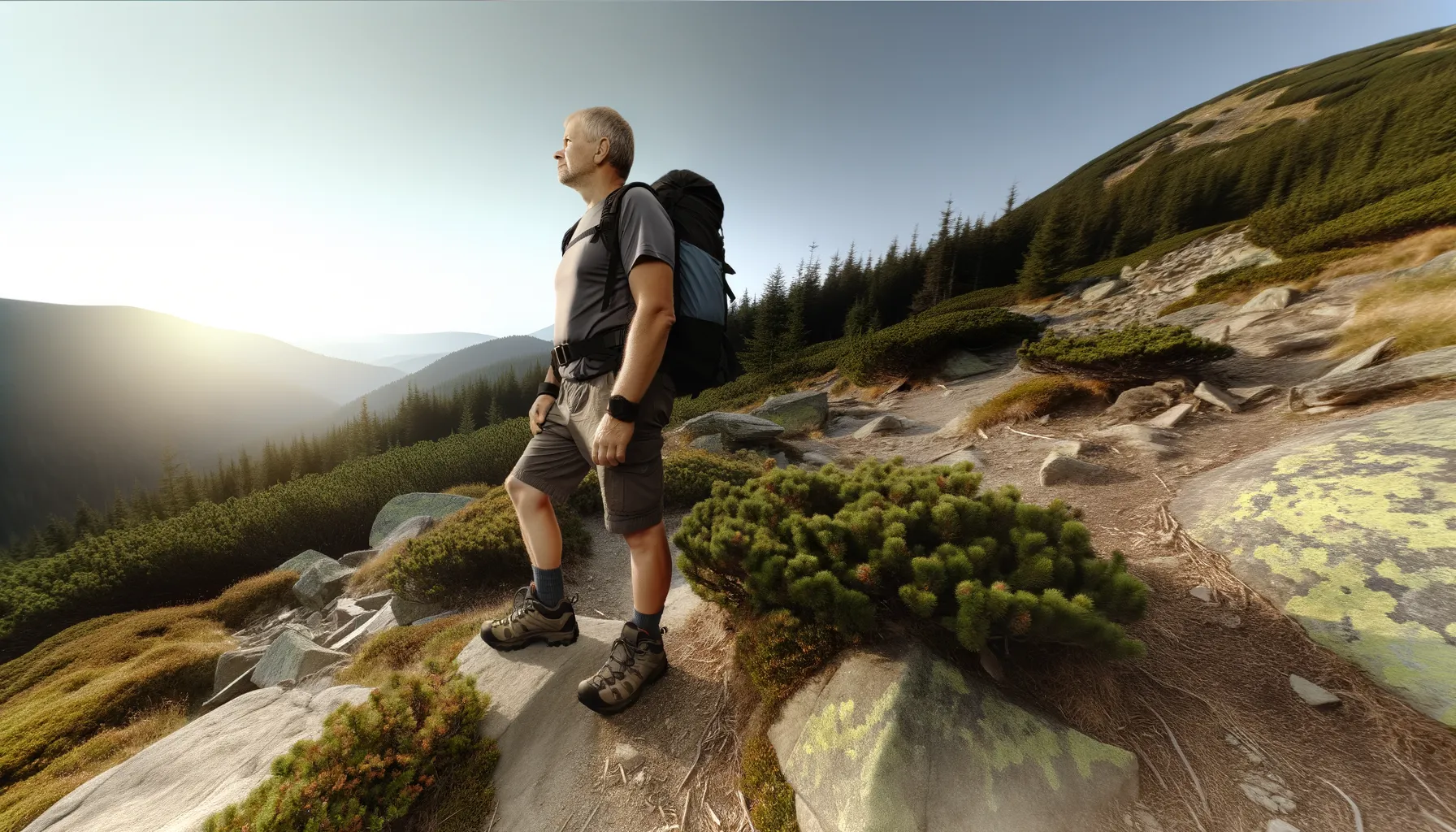
I’ve gone through five pairs of hiking footwear in the last few years. Some were great. One pair gave me blisters so bad I limped through the last 8 km of a day hike in Kananaskis. Another pair was perfect on dry trail but turned into ice skates on wet rock.
Choosing hiking boots isn’t complicated, but it’s personal. What works for someone else’s feet, trails, and hiking style might be wrong for yours. Here’s how to think about it.
Boots vs. Trail Runners vs. Hiking Shoes
This is the first decision and it matters more than brand.
Trail Runners
- Low-cut, lightweight, flexible
- Dry fast, feel nimble
- No ankle support, less protection from rocks and roots
- Best for: Day hikes on well-maintained trails, fast-and-light hikers, warm/dry conditions
Hiking Shoes (Low-Cut)
- Sturdier than trail runners, more tread and protection
- Still relatively lightweight
- Best for: Day hikes with moderate terrain, light loads, hikers who don’t want the bulk of a boot
Mid-Cut Hiking Boots
- Ankle support, more rigid sole, better protection
- Heavier, longer break-in
- Best for: Multi-day trips, rough terrain, heavy packs, wet/cold conditions
Mountaineering/Heavy Boots
- Stiff sole, crampon-compatible, maximum support
- Very heavy, overkill for most hiking
- Best for: Alpine routes, snow travel, technical scrambles
Most people reading this need either hiking shoes or mid-cut boots. Trail runners are great if you’re experienced and hiking light. Heavy boots are for specialized mountain work.
I use mid-cut boots for multi-day trips and anything with significant elevation or rough terrain. For summer day hikes on good trails, I switch to trail runners. Having two options covers almost everything.
Waterproof or Not?
This is the most debated topic in hiking footwear.
Waterproof (Gore-Tex or similar membrane):
- Keeps water out in rain, puddles, stream crossings
- Traps moisture from sweat — feet get clammy on hot days
- Takes longer to dry once water gets in (and it will eventually)
- Best for: Wet climates, spring/fall hiking, stream crossings, cold weather
Non-Waterproof:
- Breathes much better
- Dries fast when wet
- Your feet will get wet in rain or deep puddles
- Best for: Hot/dry conditions, summer hiking, hikers who prioritize breathability
My take: in the Canadian Rockies, I go waterproof for spring, fall, and multi-day trips. The mornings are dewy, the creeks are high, and surprise rain is common. In midsummer on dry trails, non-waterproof trail runners are more comfortable.
If you only buy one pair, waterproof is the safer bet for most conditions. You can always open the cuff for ventilation on warm days, but you can’t make a non-waterproof boot waterproof.
Fit: The Only Thing That Really Matters
A $300 boot that doesn’t fit your foot will perform worse than a $120 boot that does. Fit is everything.
Key fit principles:
- Thumb’s width in front of your toes. Your feet swell on trail and push forward on descents. If your toes hit the front, you’ll lose toenails. Not a metaphor — it literally happens and takes a year to grow back.
- Snug heel with no lift. If your heel slides up and down, you’ll get blisters within the first hour.
- Room to wiggle toes. Your toes should spread naturally. If they’re squeezed together, the boot is too narrow.
- Try boots in the afternoon. Your feet swell throughout the day. Buy boots when your feet are at their largest.
- Wear your hiking socks. Don’t try on boots with thin cotton socks. Wear what you’ll actually hike in.
- Walk downhill. If the store has a ramp, use it. This is where fit problems show up — toes jamming forward, heel lifting.
Wide feet?
Some brands run wider than others:
- Wider fit: Keen, Merrell (Moab series), Altra (zero-drop, wide toe box)
- Standard fit: Salomon, La Sportiva
- Narrower fit: Scarpa, some Arc’teryx models
If you have wide feet and keep getting blisters in “normal” boots, try a wide-fit model before assuming you need a different boot entirely.
Sole Stiffness
This gets overlooked but makes a big difference.
- Flexible sole: More natural feel, better for smooth trails and fast hiking. Less support under heavy loads.
- Stiff sole: Better for rocky terrain, heavy packs, and long days. Protects your feet from sharp rocks underfoot. Less nimble.
For backpacking with 15+ kg on your back over rocky terrain, a stiffer sole reduces foot fatigue significantly. For day hikes on groomed trails, you don’t need it and the flexibility feels better.
Break-In Period
Some boots need breaking in. Others are comfortable out of the box.
General rules:
- Lightweight hiking shoes and trail runners: usually minimal break-in
- Mid-cut boots with synthetic uppers: a few short hikes
- Leather or heavy boots: multiple hikes over weeks
Never take brand new boots on a multi-day trip. I learned this on a Kananaskis overnight where new boots gave me heel blisters by hour three. I spent the next two days with Leukotape patches and a limp.
Break them in on shorter hikes first. If they still hurt after 30-40 km of break-in, they probably don’t fit.
What to Actually Spend
- $80-120: Entry-level boots. Heavier, less refined materials, but functional. Good for beginners figuring out what they like.
- $150-200: The sweet spot. Good materials, solid construction, reasonable weight. Most popular boots land here.
- $200-300+: Premium materials, lighter weight, better waterproofing. Worth it if you hike frequently and want durability.
Don’t spend $300 on your first pair. Buy something in the $150 range, hike in it for a season, and you’ll know exactly what you want (and don’t want) in your next pair.
Brands Worth Trying On
I won’t recommend specific models because they change every year, but these brands consistently make good men’s hiking boots:
- Salomon: Lightweight, trail-runner feel in a boot. Great traction. Tends to run narrow.
- Merrell: Comfortable out of the box. The Moab series is a classic entry point. Good value.
- Keen: Wider toe boxes, solid waterproofing. Popular with hikers who find other brands too narrow.
- Vasque: Good balance of comfort and support. Break in nicely over time.
- La Sportiva: More technical, stiffer soles. Great for scrambling and rough terrain.
- Scarpa: Premium build quality. Excellent for mountain terrain. Runs narrow.
Go to a store. Try four or five pairs with your hiking socks on. Walk the ramp. The boots that feel right after 15 minutes of walking are probably the right ones.
One Pair or Two?
If you hike regularly, two pairs is ideal:
- Trail runners or hiking shoes for summer day hikes
- Mid-cut waterproof boots for multi-day trips, shoulder season, and rough terrain
If you can only have one, go with mid-cut waterproof boots in the $150-200 range. They’ll handle the widest range of conditions.
Bottom Line
The best hiking boot is the one that fits your foot, matches your terrain, and doesn’t give you blisters. Everything else — brand, material, price — is secondary.
Try them on. Walk in them. Trust your feet.