Backpacking Essentials For Beginners: Start Here
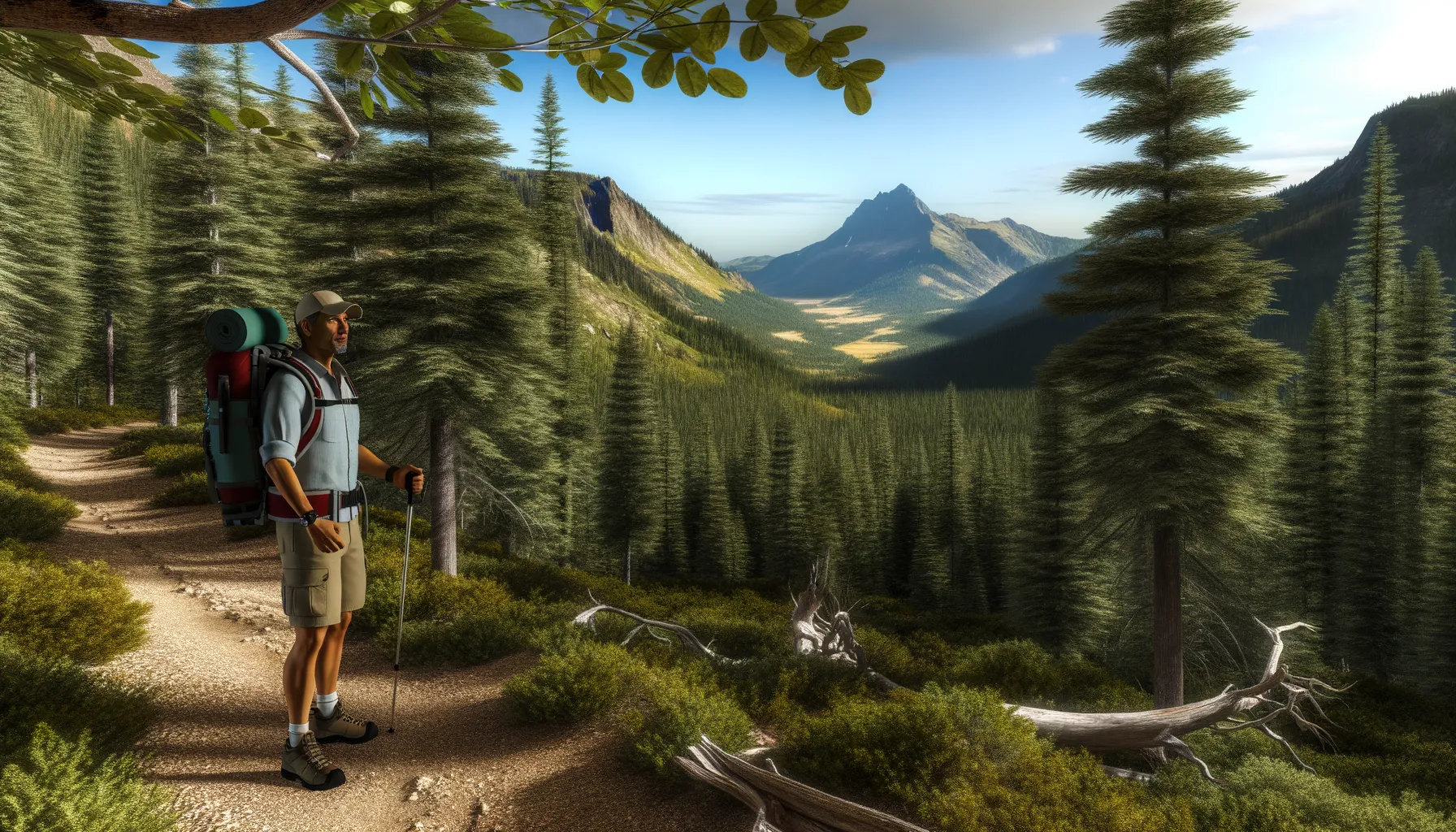
The Jump From Day Hiking to Backpacking
Day hiking is simple. You bring water, snacks, and yourself. You’re back at your car by dinner. Backpacking is a different animal. You’re carrying your shelter, your kitchen, your bed, and enough food and water to keep yourself alive for one or more nights in the wilderness.
It sounds intimidating. It’s not — once you know what to bring and what to leave behind.
My first backpacking trip was a one-nighter in Kananaskis. I packed like I was moving house. My pack weighed a ton, my shoulders were destroyed by the time I reached camp, and I brought at least five things I never touched. The second trip was better. By the third, I had it dialed.
Here’s what I wish I’d known before trip one.
The Big Four
These are the heaviest, most expensive items in your pack. They’re also the most important. Get these right and everything else is details.
1. Backpack
You need a pack in the 50-65 litre range for overnight trips. The most important thing isn’t the brand — it’s the fit. Go to an outdoor store and try packs on with weight in them. A pack that fits your torso length and sits on your hips (not your shoulders) will make the difference between a good trip and a miserable one.
Don’t buy the biggest pack you can find. A bigger pack just means you’ll fill it with stuff you don’t need. 55 litres is the sweet spot for most beginners doing 1-3 night trips.
2. Tent
For backpacking, weight matters. You want a freestanding tent in the 1.5-2.5 kg range. A two-person tent gives you room for yourself and your gear without being excessively heavy.
Look for a three-season tent — that covers spring through fall. You don’t need a four-season tent unless you’re winter camping, which you shouldn’t be doing on your first trip.
Pro tip: If you’re going with a partner, split the tent. One person carries the body, the other carries the poles and fly. Instant weight savings.
3. Sleeping Bag
Temperature rating matters more than anything else. Check the expected overnight lows for your destination and get a bag rated at least 5°C below that. You can always unzip a warm bag. You can’t make a cold bag warmer.
Down bags are lighter and pack smaller but cost more and lose insulation when wet. Synthetic bags are heavier and bulkier but cheaper and still insulate when damp. For a first bag, synthetic is a solid choice — less fussy, more forgiving.
4. Sleeping Pad
People underestimate this one. Your sleeping pad isn’t just for comfort — it’s your insulation from the ground. Without one, the cold earth will suck heat out of you all night regardless of how good your sleeping bag is.
Options range from a $20 foam pad (bombproof, light, not very comfortable) to $150+ inflatable pads (comfortable, packable, can puncture). For a first trip, a basic inflatable pad is a good middle ground. Bring a patch kit.
Kitchen Gear
You don’t need a gourmet setup. You need to boil water.
- Stove — A simple canister stove (like a Jetboil or MSR PocketRocket) weighs almost nothing and boils water in minutes. This is all you need for freeze-dried meals, coffee, and oatmeal.
- Fuel canister — One small canister is enough for a weekend trip.
- Pot — A single 750ml-1L pot handles everything. Some stoves come with an integrated pot.
- Spork — One long-handled spork. That’s your entire utensil kit.
- Mug — Optional but nice for morning coffee. Some people just drink from the pot.
Food
Keep it simple on your first trip:
- Breakfast: Instant oatmeal, coffee, granola bars
- Lunch: Tortillas with peanut butter, cheese, salami, trail mix
- Dinner: Freeze-dried meals (just add boiling water)
- Snacks: Energy bars, dried fruit, nuts, chocolate
Freeze-dried meals aren’t cheap ($10-15 each) but they’re light, easy, and actually taste decent after a long day on the trail. No dishes to wash — you eat right out of the bag.
Water
You can’t carry enough water for a multi-day trip. You need to treat water from streams and lakes.
Options:
- Pump filter (like a Katadyn or MSR) — reliable, fast, but adds weight
- Squeeze filter (like a Sawyer Squeeze) — light, cheap, effective. This is what most backpackers use.
- Chemical treatment (tablets or drops) — ultralight backup, but takes 30 minutes to work
I carry a Sawyer Squeeze and a couple of soft water bottles. It weighs almost nothing and I’ve never had an issue. Bring chemical tablets as a backup in case your filter fails.
Clothing
Pack for the conditions, not for variety. You’re wearing the same clothes for the whole trip. Accept it.
- Hiking clothes — what you’re wearing on the trail (synthetic shirt, hiking pants/shorts, underwear, socks)
- Camp clothes — one dry set to change into at camp (lightweight long pants, long sleeve, warm socks)
- Insulation — puffy jacket or fleece for evenings and mornings
- Rain jacket — always, regardless of forecast
- Hat and gloves — if there’s any chance of cold weather
- Extra socks — the one luxury item that’s always worth the weight
No cotton. Ever. It absorbs moisture, stays wet, and will make you cold. Synthetic or merino wool only.
The Stuff People Forget
- Headlamp — with extra batteries. You’ll need it at camp.
- First aid kit — basic: bandaids, blister treatment (moleskin or Leukotape), painkillers, antihistamines, any personal meds.
- Toilet kit — trowel, toilet paper, hand sanitizer, ziplock bag for packing out used TP. Dig a cathole 15-20 cm deep, at least 60 metres from water.
- Bear safety — in bear country, you need a bear canister or hang bag for food storage. Check local regulations. In many areas of the Canadian Rockies, bear canisters are mandatory.
- Map and navigation — downloaded offline maps on your phone (Gaia GPS or AllTrails) plus a basic understanding of where you’re going. Don’t rely on cell service.
- Fire starter — waterproof matches or a lighter, even if you don’t plan to make a fire. Emergency preparedness.
What You Don’t Need
First-timers tend to overpack. Here’s what you can leave home:
- Camp shoes — nice to have, not essential. Some people bring lightweight sandals. I usually don’t bother on short trips.
- Multiple outfits — you’re backpacking, not going to a resort.
- Full-size toiletries — a travel toothbrush and a tiny tube of toothpaste. That’s it.
- Books, speakers, gadgets — the point is to be out there, not to recreate your living room.
- Hatchet or saw — you’re not building a cabin. If fires are allowed, collect small dead wood.
Planning Your First Trip
Start small:
- One night, short distance. 5-8 km to camp is plenty. You want to arrive with energy, not destroyed.
- Established backcountry campsite. Designated sites have flat tent pads, fire rings, and often bear poles or food storage. Way easier than finding your own spot.
- Good weather window. Don’t pick a weekend with rain in the forecast for trip one.
- Tell someone your plan. Trailhead, campsite, expected return time. Non-negotiable.
My first overnight was about 6 km in along a well-marked trail to a designated campsite with a bear pole and a creek nearby for water. Nothing heroic. It was perfect for learning the basics — setting up camp, cooking dinner, filtering water, sleeping in the backcountry for the first time.
You don’t need to summit anything or cover huge distances. You just need to get out there, spend a night, and figure out what works and what doesn’t. Every trip after that gets easier.