America's Hidden Wilderness: Exploring the Most Secluded Backcountry Trails
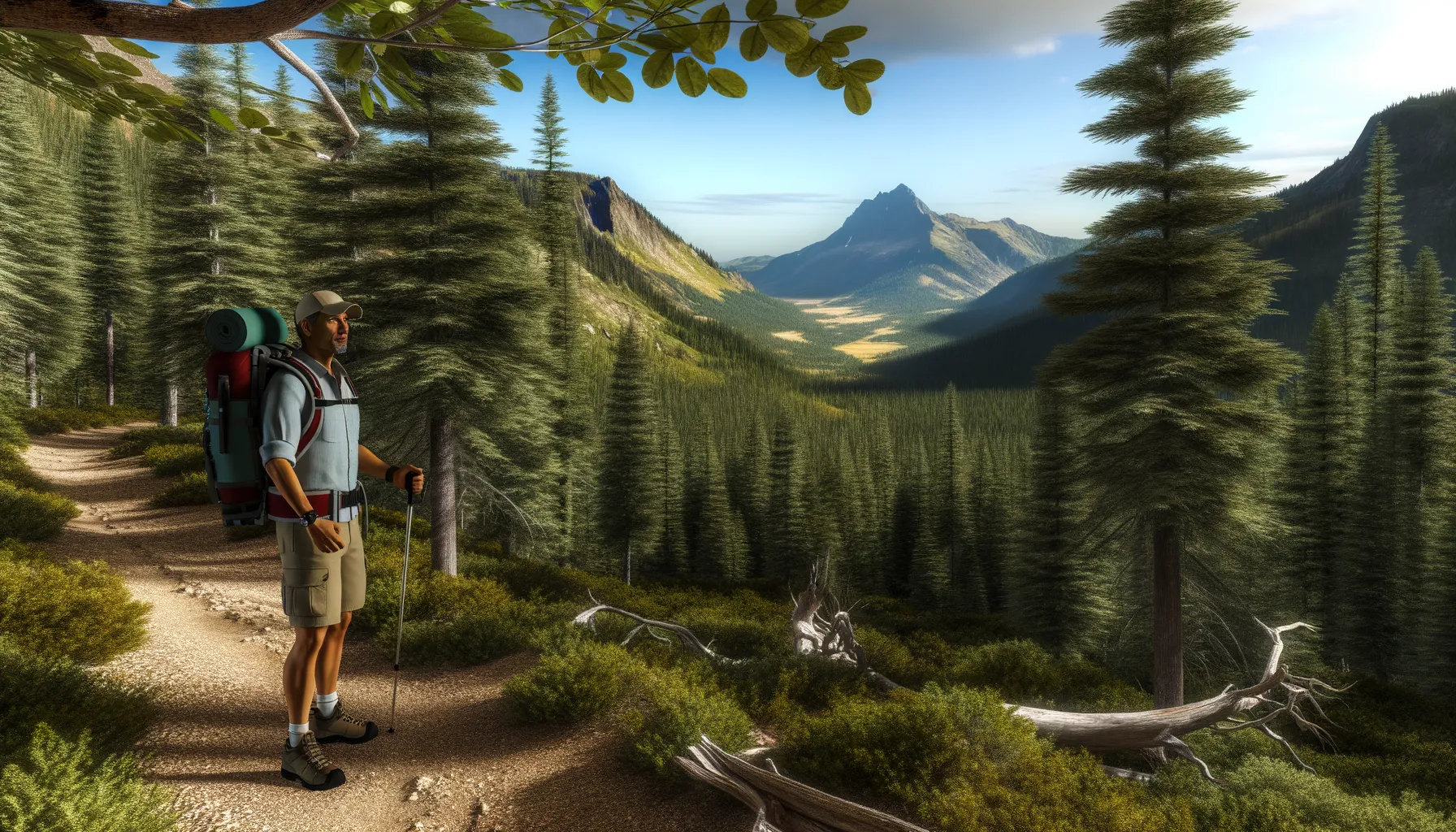
Why Secluded Trails Hit Different
I didn’t really understand backcountry hiking until I did the West Coast Trail on Vancouver Island. I’d done plenty of day hikes before that, but the WCT was something else. Five days of mud, ladders, cable cars over rivers, and stretches where you don’t see another person for hours. By day three my legs were wrecked, my boots were soaked, and I was having the time of my life.
That trip rewired something in my brain. Since then, I’ve been drawn to trails where you actually have to work to get away from people. Not because I’m antisocial — but because there’s a quality to remote wilderness that you can’t get on a busy trail. The silence is different. You notice things you’d normally miss. The sound of a creek from half a mile away because there’s literally nothing else making noise.
If you’ve been sticking to well-trafficked trails and wondering what the fuss is about, here are some trails worth putting on your list.
Trails Worth Disappearing Into
The West Coast Trail, Vancouver Island, BC
I’m biased, but the WCT deserves its reputation. Seventy-five kilometres of rugged Pacific coastline — old-growth rainforest, rocky beaches, suspension bridges, and sections where you’re climbing ladders bolted into cliff faces. Once you’re on the trail, you’re committed. There’s no bailing out at a road crossing on day two. That changes how you experience everything.
Pro tip: Book early. Permits open in January and popular dates sell out fast. Go south to north if you can — you get the hardest sections done while you’re fresh.
The Skyline Trail, Jasper National Park, Alberta
I’ve done several backcountry trips in the Jasper area, and the Skyline is one of the best. About 44 kilometres point-to-point, with most of the trail above treeline. The views are absurd — ridgelines with massive peaks on either side, alpine meadows, and the occasional mountain goat giving you a look like you’re trespassing.
You need a Parks Canada backcountry permit, and popular campsites book up months ahead. This is grizzly country, so bear spray and proper food storage are mandatory.
The 100-Mile Wilderness, Maine
The most remote section of the Appalachian Trail. No roads, no towns, no resupply for 100 miles. Dense boreal forest, hidden lakes, rocky ridgelines. You can hike an entire day and see maybe two other people.
You need to carry all your food for 7-10 days, which means a heavy pack at the start. But by the end, you’ll feel like you’ve been gone for a month.
The Maze District, Canyonlands, Utah
Desert solitude at its finest. Getting to the trailhead requires a high-clearance 4WD, and the last stretch of road is… character-building. Once you’re in, it’s a labyrinth of sandstone canyons and ancient rock art. Navigation skills are essential — trails are poorly marked and it’s easy to get turned around. But if you’re comfortable with a map, the Maze rewards you with solitude that’s hard to find anywhere else in the lower 48.
What I’ve Learned About Preparing for Remote Trails
Break in your boots. On the WCT, one of my buddies was in new boots. By day two his heels looked like raw hamburger. I was in a pair I’d worn for months. Zero blisters.
Pack lighter than you think. My first multi-night trip, I brought a camp chair. A camp chair. My pack was brutal. These days I aim for a base weight under 25 pounds and I’m much happier.
Train with weight on your back. Being able to run 10K doesn’t mean you can hike 15 kilometres with a 35-pound pack. Start doing loaded day hikes at least a month before your trip.
Carry a satellite communicator. Cell service doesn’t exist where you’re going. A Garmin inReach or similar device is cheap insurance.
Know the wildlife. Bears are a real consideration on most of these trails. Carry bear spray, hang your food or use bear canisters, and make noise on the trail.
Solo or With Friends?
Most of my backcountry trips have been with friends, and I’d recommend that for anyone starting out. Having experienced people with me on the West Coast Trail made a huge difference — they knew when to push through, how to set up camp efficiently, and what to do when we spotted a bear on the beach.
But I’ve done a few shorter solo trips in Alberta, and the experience is completely different. You move at your own pace. You stop when you want. And the quiet — the real, deep quiet of being totally alone in the wilderness — is something you can’t replicate with other people around.
If you’re thinking about going solo, start small. Do an overnight on a trail you already know. Get comfortable with the silence before committing to something remote and multi-day.
One Last Thing
Pack out everything you bring in. Every wrapper, every scrap, every piece of toilet paper. If you see trash someone else left, grab that too. These places stay wild because people treat them that way. Let’s keep it going.